Grill Grates, Explained: Cast Iron vs Stainless vs Porcelain
Cast iron, stainless, and porcelain-coated grill grates behave very differently once heat, fat, and humidity get involved. Here's what actually matters in 2026.
Reader-supported: we may earn a commission from links on this page, at no extra cost to you. It never affects our picks. Learn more.
Grill grates are the most argued-about and least understood part of any outdoor cooker. Burners, insulation, and lid design get the spec sheet attention, but the grate is the only component that physically touches the food — and it's the component most likely to be replaced, rusted through, or quietly downgraded between model years to hit a price point.
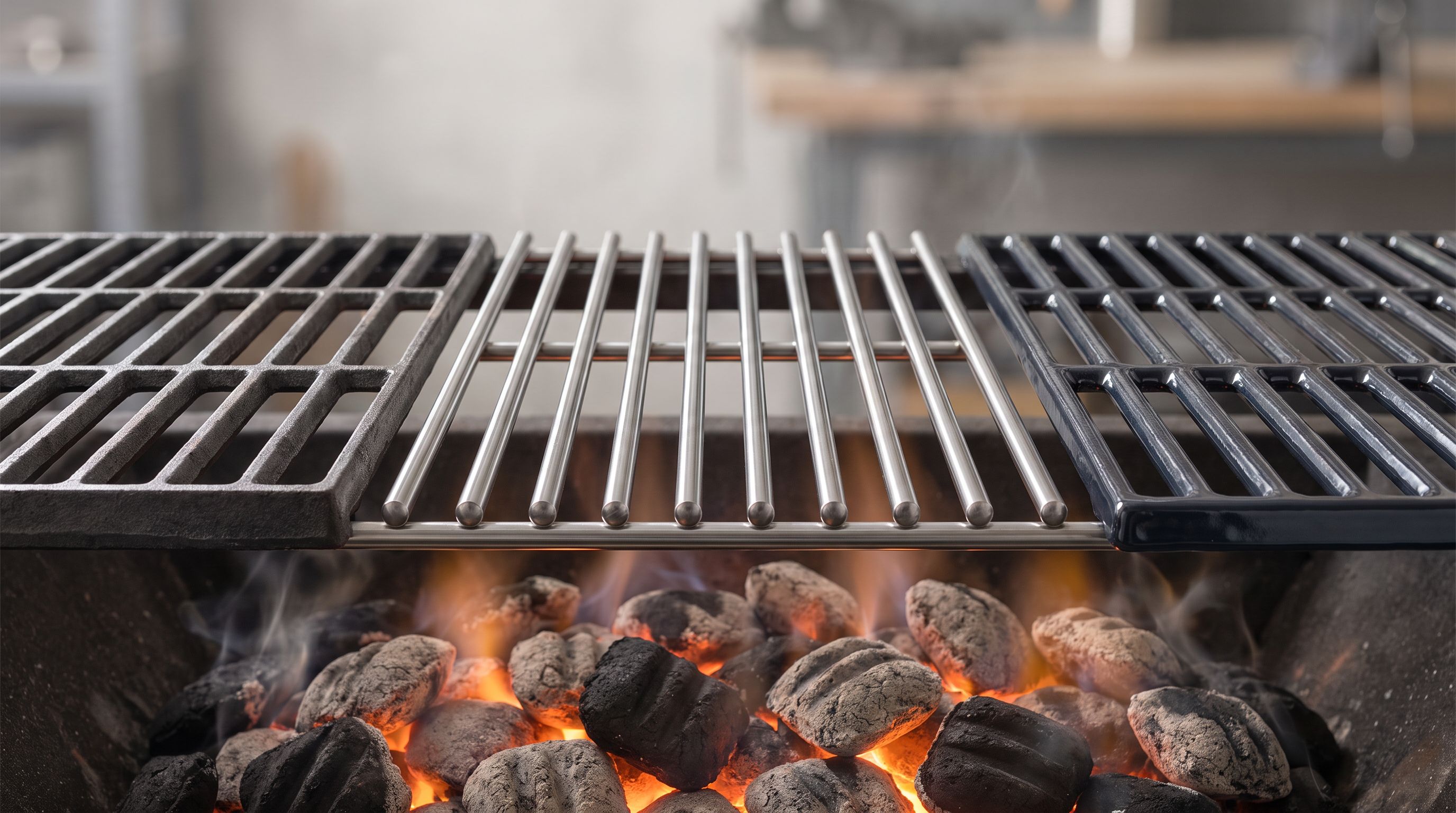
The three mainstream materials are cast iron, stainless steel, and porcelain-coated (enameled) metal, which is usually porcelain over cast iron or porcelain over steel. They are not three flavors of the same thing. They store heat differently, release food differently, and fail differently. Understanding how each one fails is more useful than any claim about which one "sears best."
What's Actually Happening Now
Three things have shifted the grate conversation.
First, porcelain coating has become the default on mid-priced gas grills, because it solves a manufacturing problem: it lets a maker use cheap cast iron or steel underneath while presenting a glossy, rust-free-looking surface in the store. The grilling community's long-running complaint — repeated across retailer explainers and forum threads — is that the coating eventually chips or flakes, and once it does, the bare metal underneath rusts fast. That's not a defect story; it's the expected end state of an enamel layer over iron subjected to thermal cycling, grate scrapers, and dropped tools.
Second, cast iron has had a quiet resurgence among people who cook on their grills often. The consensus in enthusiast discussions is consistent: cast iron holds heat better, delivers a deeper sear, and lasts the longest — if you keep it seasoned. The conditional clause is doing all the work.
Third, stainless steel grates have split into two very different products that share a name. Solid stainless rod grates and hollow or "wrapped" stainless grates behave nothing alike. As one commonly cited point in grate comparisons puts it, thick solid grates — not stainless-wrapped ones — are what actually improve heat retention. A lot of the "stainless doesn't sear" complaint is really a "thin stainless doesn't sear" complaint.
The Real Players and What's Shipping
Weber, Napoleon, Broil King, and Char-Broil all ship grates across these three categories, and the material choice generally tracks price tier: porcelain-coated steel at the bottom, porcelain-enameled cast iron in the middle, heavy stainless rod on premium models. Kamado-style cookers and many charcoal kettles lean on cast iron or plain steel because the cooking style rewards thermal mass.
For people who don't want to replace an entire grate assembly, two retrofit options dominate shelves. One is simply laying a cast iron slab over the existing grate — the Lodge Pre-Seasoned Cast Iron Reversible Grill/Griddle is the ubiquitous version, ribbed on one side and flat on the other, and it's the easiest way to add genuine thermal mass to a grill that doesn't have any. It's heavy, it rusts if you ignore it, and it does exactly what cast iron is supposed to do.
The other is GrillGrate Interlocking Hard-Anodized Aluminum Grill Panels, which sidestep the whole debate with a fourth material. Aluminum conducts heat far faster than iron or steel, and the panels' raised-rail-over-solid-plate design is marketed around reducing flare-ups by keeping drippings off the flame. On paper that's a conduction-and-shielding argument rather than a mass argument — a different solution to the same problem of uneven, flare-prone grates.
Maintenance gear matters more than most buyers expect, because grate lifespan is overwhelmingly a maintenance variable. A Weber Stainless Steel Grill Brush with Replaceable Head handles the routine scrape; for bare cast iron, a light oil film after cooking — a Lodge Seasoning Spray or any neutral oil — is the documented way to keep flash rust from forming overnight in humid air.
 Simplest rust insurance · Lodge Seasoning Spray (Canola Oil) — Check price on Amazon →
How the Three Materials Actually Compare
| Cast iron | Solid stainless | Porcelain-coated | |
|---|---|---|---|
| Heat retention | Highest — holds temp through cold food | Good when thick/solid; poor when thin or hollow | Follows the base metal underneath |
| Time to heat | Slowest | Faster | Moderate |
| Sticking | Low once seasoned; high when bare | Moderate; depends on preheat and oil | Lowest when coating is intact |
| Rust risk | High if neglected | Lowest of the three | None until the coating chips, then high |
| Cleaning | Scrape, avoid soaking | Brush freely, very tolerant | Needs soft tools; wire brushes chip it |
| Lifespan | Longest with upkeep | Long, low-effort | Shortest — limited by the coating |
The pattern: cast iron trades convenience for performance, stainless trades peak sear for durability, and porcelain trades longevity for an easy first two years.
What It Means If You're Shopping Today
Start by asking what failure you're willing to tolerate, because every grate fails somehow.
If you grill weekly and care about crust on steaks and burgers, cast iron's thermal mass is the real advantage — it doesn't crash in temperature when cold food hits it, which is the actual mechanism behind a better sear. You're accepting a seasoning routine in exchange.
If you grill occasionally, live somewhere humid or coastal, and hate maintenance, solid stainless is the lower-regret choice. Round stainless rods heat quickly, tolerate aggressive brushing, and resist rust better than either alternative. Just check whether the grate is solid rod or hollow tube; the difference is visible at the cut ends and it's the single most meaningful spec on a stainless grate.
If you're buying a grill that comes with porcelain-coated grates, treat them as a consumable rather than a lifetime component. Use soft-bristle or nylon tools, avoid slamming cold water on hot enamel, and accept that replacement grates are part of the long-term cost. That's not an argument against the grill — many excellent grills ship with coated grates — it's an argument against assuming they'll outlast the firebox.
One underrated factor: bar geometry. Thick square or triangular bars concentrate contact and produce bold grill marks; thin round rods spread contact and give more even browning across the surface. Neither is better in the abstract. It depends on whether you want stripes or an edge-to-edge crust.
What to Watch Next
Two things are worth tracking. First, whether solid stainless migrates further down the price ladder — the components exist and are not exotic, so the barrier is cost discipline rather than technology. Second, whether aluminum and hybrid grate systems like GrillGrate's move from aftermarket accessory to factory-fitted option, which would be the first genuine material shift in the category in years.
What won't change is physics. Mass stores heat, coatings wear, and bare iron rusts. Any grate marketing that implies otherwise is selling a finish, not a feature.
FAQ
Does porcelain coating actually prevent rust? It prevents rust while it's intact. The widely repeated observation in grilling communities is that the coating eventually flakes, and the iron or steel underneath then rusts normally. It's a barrier, not a property of the metal.
Is cast iron harder to clean than stainless? Not inherently — a common forum take is that it's no harder, just different. You scrape and re-oil rather than scrub and forget. The friction is the routine, not the effort.
Will thin stainless grates sear well? Less well than thick ones. Comparisons consistently note that solid, thick grates outperform stainless-wrapped or hollow versions on heat retention, which is what drives sear.
Can I mix materials? Yes, and many people do — a cast iron slab or aluminum panel over part of a stainless grate gives you a high-mass searing zone and a lower-mass general-purpose zone on the same cooker.
How often should bare cast iron grates be oiled? After essentially every cook, while still warm, using a thin neutral oil film. Skipping it in humid weather is how flash rust appears overnight.
Our picks

Lodge Pro-Grid Reversible Grill/Griddle, PFAS-Free, 20 x 10.5 Inches
The simplest way to add real cast iron thermal mass over an existing grate without replacing hardware.

GrillGrate Sear Station | Universal Grill Grate | Sear Grates for Pellet Grill 15” Deep and Up | Pellet Grill Accessories | Hard Anodized Aluminum |15” Deep x 15.375” Wide
Anodized aluminum panels that spread heat and cut flare-ups — the main non-iron, non-steel option shipping now.

Weber Style Stainless Steel Grill Brush With Replaceable Head
Grate longevity is mostly maintenance; a dedicated brush with replaceable heads handles the routine part.
Lodge Cast Iron Seasoning Spray, 100% Canola Oil, 8 oz
Thin oil film after cooking is the documented way to keep bare cast iron grates from flash-rusting.
Get the best kitchen gear deals in your inbox
Join the PrepDeck newsletter for hand-picked kitchen gear deals and new buying guides. No spam, unsubscribe anytime.
Related reads
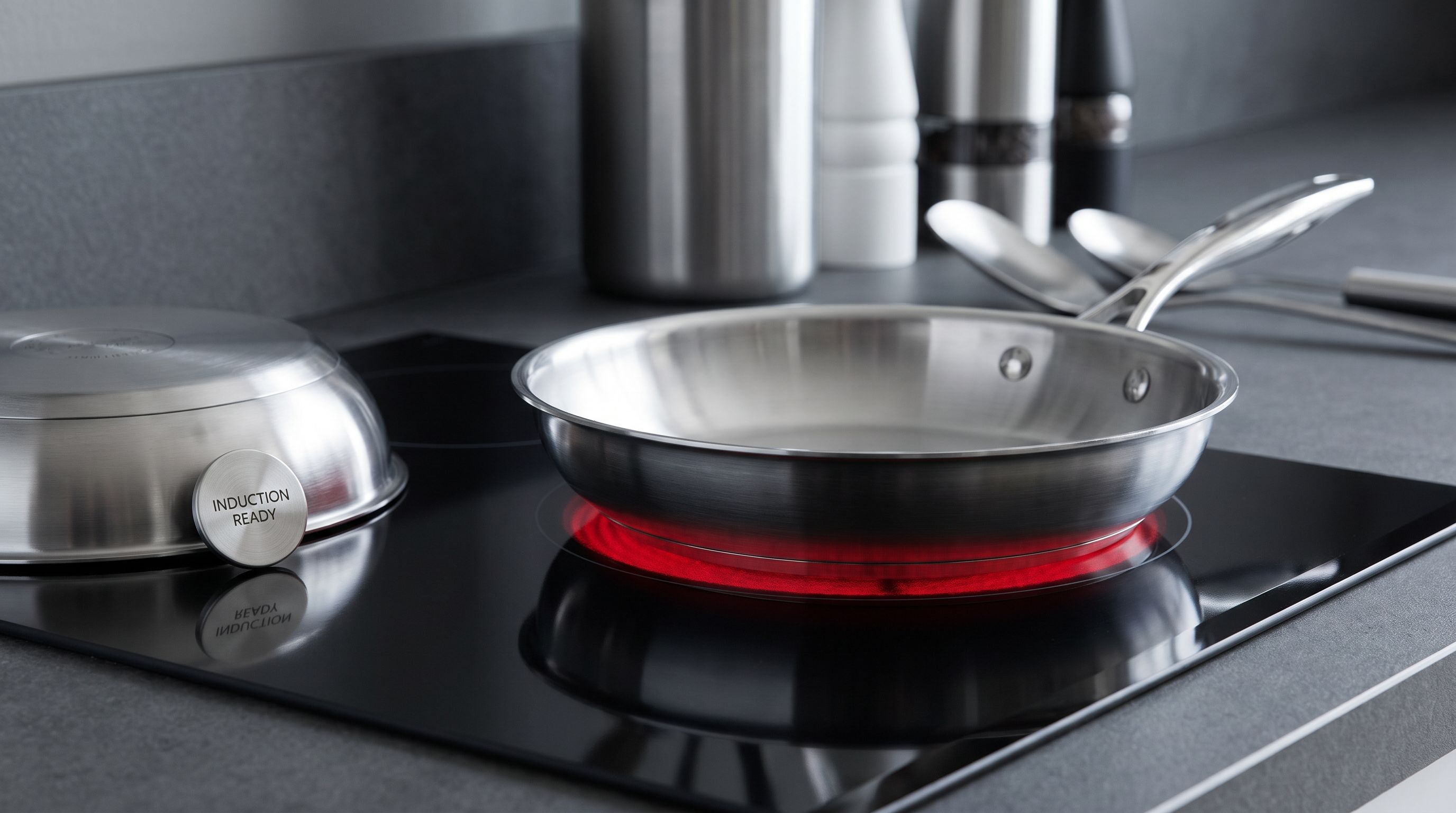
Induction Compatibility, Explained: What Actually Works
Why some "induction-ready" pans heat slowly, buzz, or trip error codes — plus the magnet test, base construction basics, and which cookware genuinely performs in 2026.
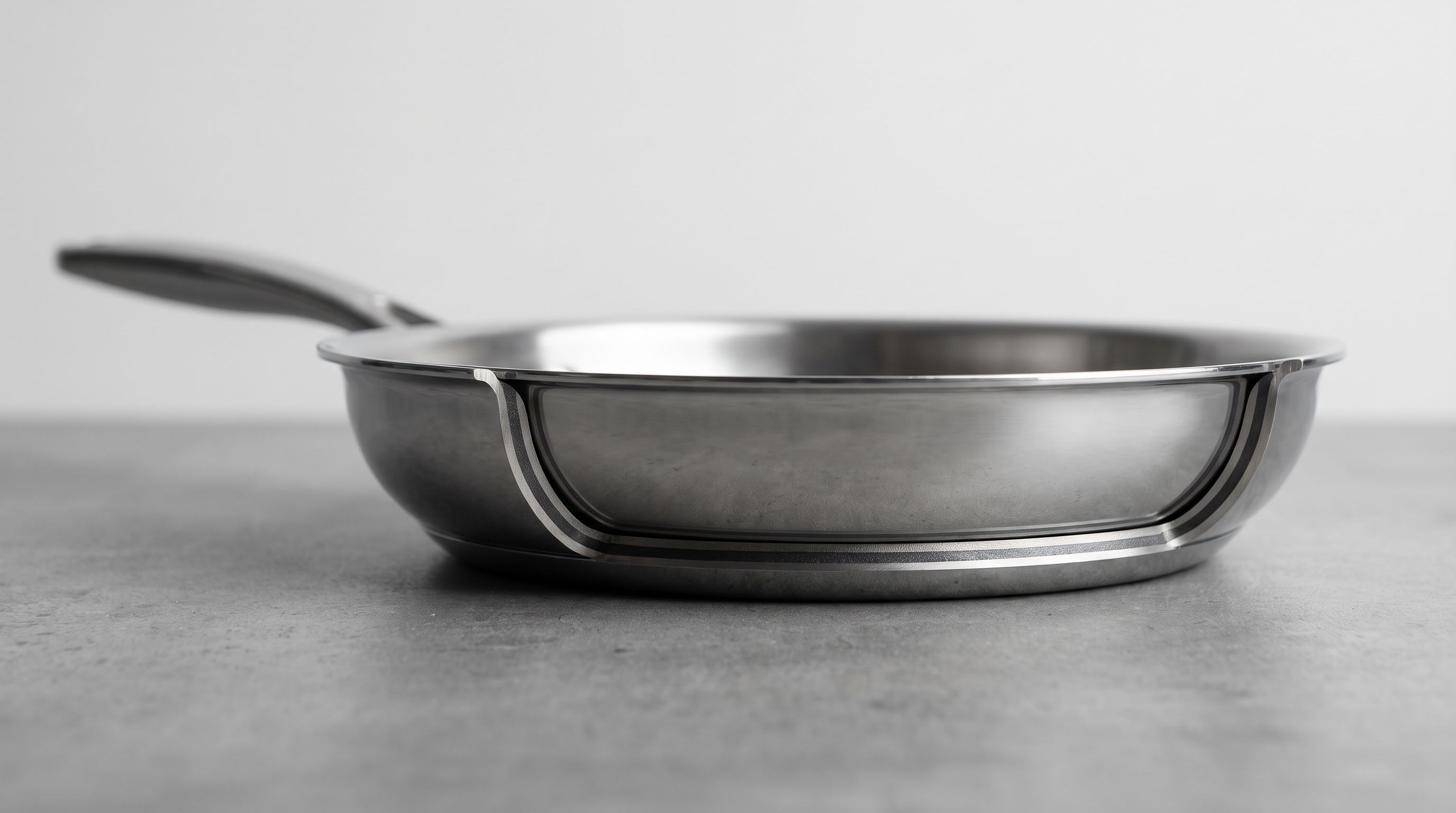
Pan Thickness, Explained: Why Cheap Pans Warp
Gauge, cladding and disc bases decide whether a pan stays flat. Here's how pan thickness actually works, and how to spot a warper before you buy in 2026.
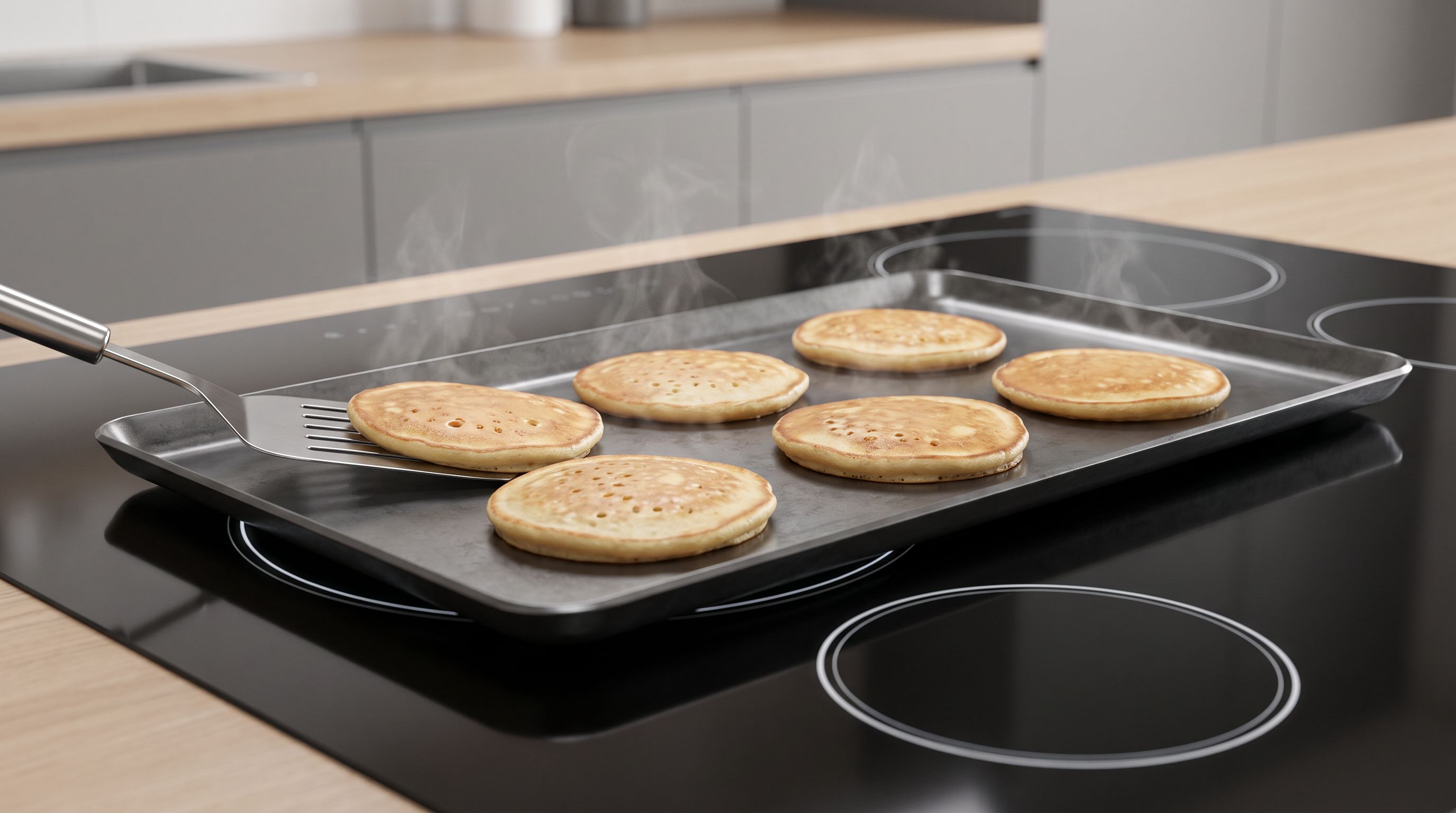
Carbon Steel vs Cast Iron Griddles on Induction in 2026
Most two-burner griddle plates fail on induction hobs. Here's how base flatness, gauge, magnetic response and overhang decide which induction compatible griddle plate actually works.