The Drip Coffee Makers Worth Buying in 2026
We compared SCA-certified batch brewers on brew temperature, basket shape, and carafe type to find the best drip coffee maker for 2026 — from Moccamaster to Ratio.
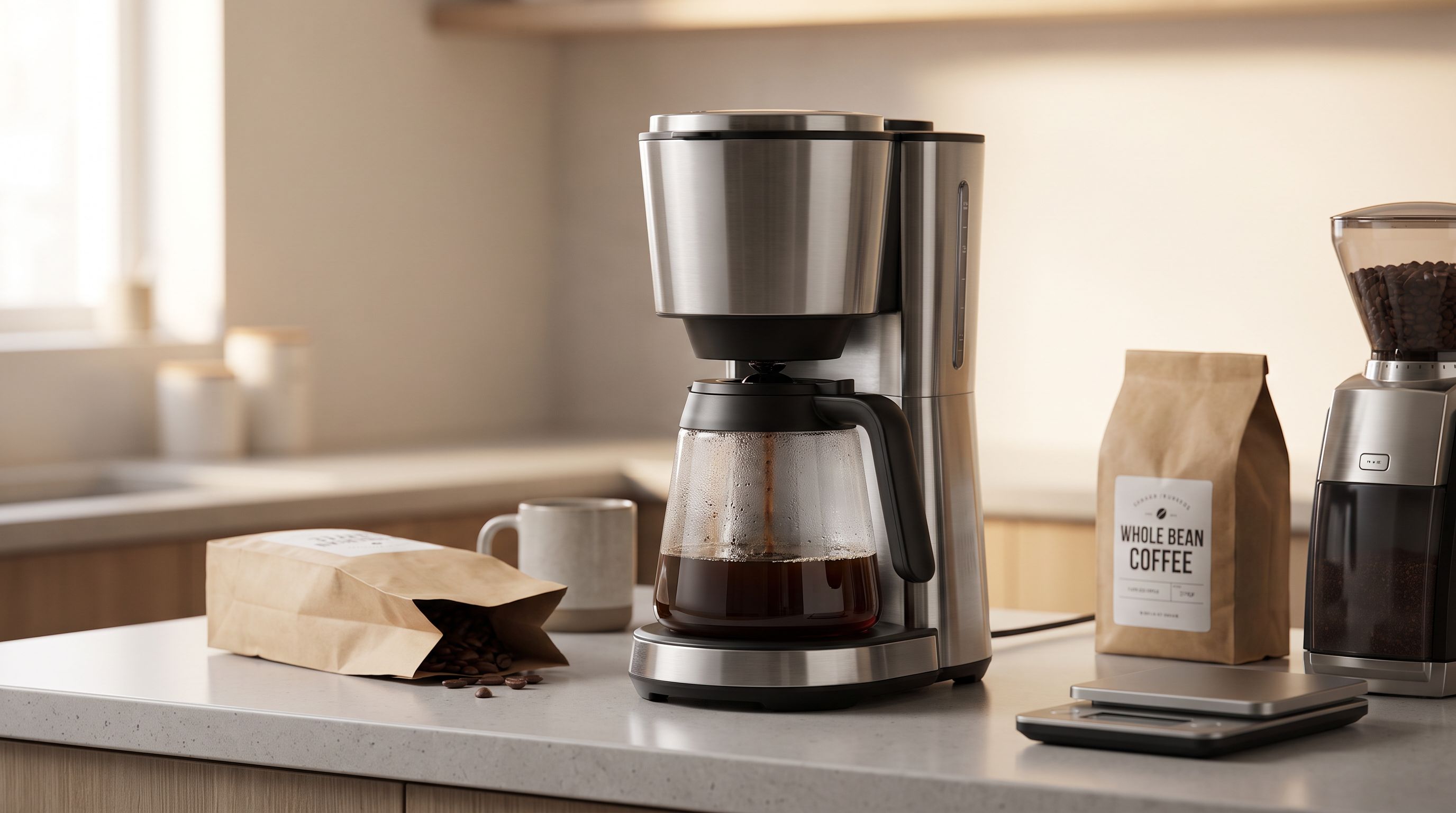
Reader-supported: we may earn a commission from links on this page, at no extra cost to you. It never affects our picks. Learn more.
Most drip coffee makers fail at one thing: heat. A cheap machine pushes lukewarm water through a shallow, badly-wetted bed of grounds, and you get sour, thin coffee no matter how good your beans are. The Specialty Coffee Association's certification program exists precisely to screen that out — it checks that a brewer holds water in the 92–96°C (197.6–204.8°F) range at the bed, finishes a full-capacity batch in roughly four to eight minutes, and extracts within a defined strength and yield window.
That certification is a floor, not a ceiling. Two certified machines can taste noticeably different depending on how the water is dispersed, whether the basket is flat or conical, and how well the carafe holds heat an hour later. We compared current SCA-certified brewers on published specs, independent lab results, and long-run owner feedback — especially the complaints that only show up after a year of daily use.
What SCA certification actually guarantees (and what it doesn't)
Certified brewers have to clear a handful of measurable hurdles:
- Brew temperature: water contacting the grounds stays in the 92–96°C band for the bulk of the brew.
- Brew time: a full batch finishes within the specified window, so you're not over-extracting a small dose for ten minutes.
- Extraction and strength: the resulting coffee lands in the SCA's "golden cup" box — roughly 18–22% extraction, 1.15–1.35% total dissolved solids.
- Full-capacity performance: the machine is tested at its maximum rated batch, which is why half-batches on any brewer are usually weaker and cooler.
What certification does not cover: how evenly the water lands on the bed, how long the carafe stays hot, how easy the thing is to descale, or whether the lid dribbles. Those are the differences that decide which machine you actually enjoy owning.
Basket shape changes the cup more than most people expect
A flat-bottom basket (Moccamaster, Bonavita, OXO, Ratio) spreads the grounds in a shallow, even layer. Water passes through a more uniform depth, which tends to produce a sweeter, rounder, more forgiving cup — and it's the shape most batch brewing is built around. Use a flat-bottom paper filter; a cone filter folded into a flat basket is a recipe for channeling.
A cone basket gives a deeper bed and a longer path through the center, which can emphasize clarity and acidity but is less forgiving of grind inconsistency. The Breville Precision Brewer Thermal is the rare machine that ships with both and lets you swap.
Grind matters more than basket shape, though. For batch drip, aim for something close to coarse table salt. If your coffee tastes thin and sour, grind finer before you blame the machine.
Thermal carafe vs. glass: the one spec owners complain about most
Hot plates are the single biggest flavor-killer in drip coffee. Thirty minutes on a warming plate turns a good brew bitter and flat. Every machine we'd recommend uses an insulated stainless carafe — but carafes are not equal, and long-term owner feedback is brutally clear about which ones leak heat or dribble when pouring.
A few patterns worth knowing:
- Preheat the carafe. Rinsing it with hot tap water before brewing routinely buys 30–60 minutes of extra drinkable heat. This is the cheapest upgrade you'll ever make.
- Lid design predicts frustration. Brew-through lids that stay on during brewing retain more heat than open-top designs, but some have fiddly seals that need disassembly to clean properly.
- Glass-lined carafes hold heat slightly better than all-steel ones but crack if you drop them. All-steel survives real kitchens.
If you drink your pot within 20 minutes, carafe quality barely matters. If you nurse a pot across the morning, it's the spec to prioritize.
The picks
Technivorm Moccamaster KBT 741 10-Cup Thermal Carafe is still the default answer for a reason that has nothing to do with gadgetry. A copper heating element brings water up to brew temperature quickly and holds it there, the brew-through thermal carafe keeps coffee off a hot plate entirely, and the machine is built from serviceable parts — Technivorm sells replacement elements, carafes, and brew baskets, and owners regularly report decade-plus service lives. The trade-offs are real: it has no timer, no auto-start, and the manual drip-stop on the basket requires you to pay attention if you brew small batches. It's a single-purpose tool that does one thing extremely well.
Ratio Six Coffee Maker is the machine to buy if you want great coffee and refuse to think about it. One button, automatic pre-infusion, and a shower-head spray arm that wets the full bed rather than drilling a hole in the middle. The build — steel and glass rather than molded plastic — reads as kitchen furniture rather than appliance. It also runs quietly, which is not nothing at 6 a.m.
 Best for flavor with zero fuss · Ratio Six Coffee Maker — Check price on Amazon →
Breville Precision Brewer Thermal (BDC455) is for people who want to tinker. You can adjust bloom time, flow rate, and brew temperature, run a Fast or Strong profile, and switch between flat-bottom and cone baskets. There's also a pour-over adapter and a cold brew setting. The catch is complexity: more menus, more plastic in the water path than the Moccamaster, and a learning curve before you land on your preferred profile. Worth it if you change beans often; overkill if you buy the same roast every month.
OXO Brew 9-Cup Coffee Maker delivers certified brewing at a far lower entry point. Its "rainmaker" shower head disperses water over the bed well, the single-dial interface covers scheduling, and the thermal carafe performs respectably in owner reports. It's more plastic-heavy than the premium machines and the carafe lid is the most common gripe, but on flavor per dollar it's hard to beat.
 Best value · OXO Brew 9-Cup Coffee Maker — Check price on Amazon →
Bonavita Connoisseur 8-Cup One-Touch is the stripped-down certified brewer: a 1500W heater, pre-infusion, flat-bottom basket, thermal carafe, one button. No display to fail, no app. Owner feedback is consistently positive on the coffee and mixed on long-term reliability relative to the Moccamaster, which is the honest trade for the price gap.
 Simplest certified brewer · Bonavita Connoisseur 8-Cup One-Touch — Check price on Amazon →
Comparison
| Model | Basket | Carafe | Capacity | Pre-infusion | Best for |
|---|---|---|---|---|---|
| Moccamaster KBT 741 | Flat-bottom | Brew-through thermal | 10 cups / 40 oz | Manual (drip stop) | Longevity and repairability |
| Ratio Six | Flat-bottom | Thermal | 8 cups / 40 oz | Automatic | Best cup with zero settings |
| Breville Precision Brewer Thermal | Flat + cone (both included) | Thermal | 12 cups / 60 oz | Adjustable | Dialing in different beans |
| OXO Brew 9-Cup | Flat-bottom | Thermal | 9 cups | Automatic | Value, scheduled brewing |
| Bonavita Connoisseur 8-Cup | Flat-bottom | Thermal | 8 cups | Automatic | Simplest certified option |
Things that will ruin a good brewer
- Stale, pre-ground coffee. A $400 machine cannot fix beans ground three weeks ago. A burr grinder is a bigger upgrade than any brewer swap.
- Hard water. Scale insulates the heating element, which drops brew temperature below the certified band — often within months. Descale on schedule; use filtered water if your tap is hard.
- Half batches. Certification is measured at full capacity. Brew at or near the rated batch size when you can.
- Cheap filters. Thin papers collapse and channel. Buy filters sized for your basket shape.
FAQ
Does SCA certification mean the coffee will taste good? It means the machine can hit correct temperature and extraction at full capacity. Beans, grind, dose, and water quality still determine the cup.
Is a thermal carafe always better than glass? For flavor, yes — a hot plate keeps cooking the coffee. Glass is only preferable if you want to see the level and always drink it immediately.
How much coffee should I use? Start at roughly 60 grams of coffee per liter of water (about 1:16.5) and adjust. Most machine "cups" are 5 oz, not 8, so a 10-cup brewer makes about 50 oz.
Do I need a timer and auto-start? Only if you want coffee waiting when you wake up. The Moccamaster KBT skips it entirely; the OXO Brew and Breville Precision Brewer both include scheduling.
How often should I descale? Every one to three months depending on water hardness. If brew time gets noticeably longer, you're overdue.
Our picks
Technivorm Moccamaster KBT 741 10-Cup Thermal Carafe
Copper heating element hits SCA brew temps fast, and nearly every part is user-replaceable.
Ratio Six Thermal Carafe Matte Stainless - Series 1
One button, proper pre-infusion and a shower-head spray arm that wets the whole bed evenly.
Breville Precision Brewer Thermal (BDC455)
Adjustable bloom, flow rate and temperature, plus flat- and cone-basket modes in one machine.
OXO Brew 9-Cup Drip Coffee Maker – Programmable Machine, Stainless Steel
SCA-certified brewing with a rainmaker shower head and a genuinely good thermal carafe.
Bonavita 8 Cup Drip Coffee Maker Machine, One-Touch Pour Over, Auto Pause Brewing with Stainless Steel Double Wall Thermal Carafe, SCA Certified, Dishwasher Safe, BV1901TS
Pre-infusion, 1500W heater and a flat-bottom basket — no screens, no menus, no app.
Get the best kitchen gear deals in your inbox
Join the PrepDeck newsletter for hand-picked kitchen gear deals and new buying guides. No spam, unsubscribe anytime.
Related reads
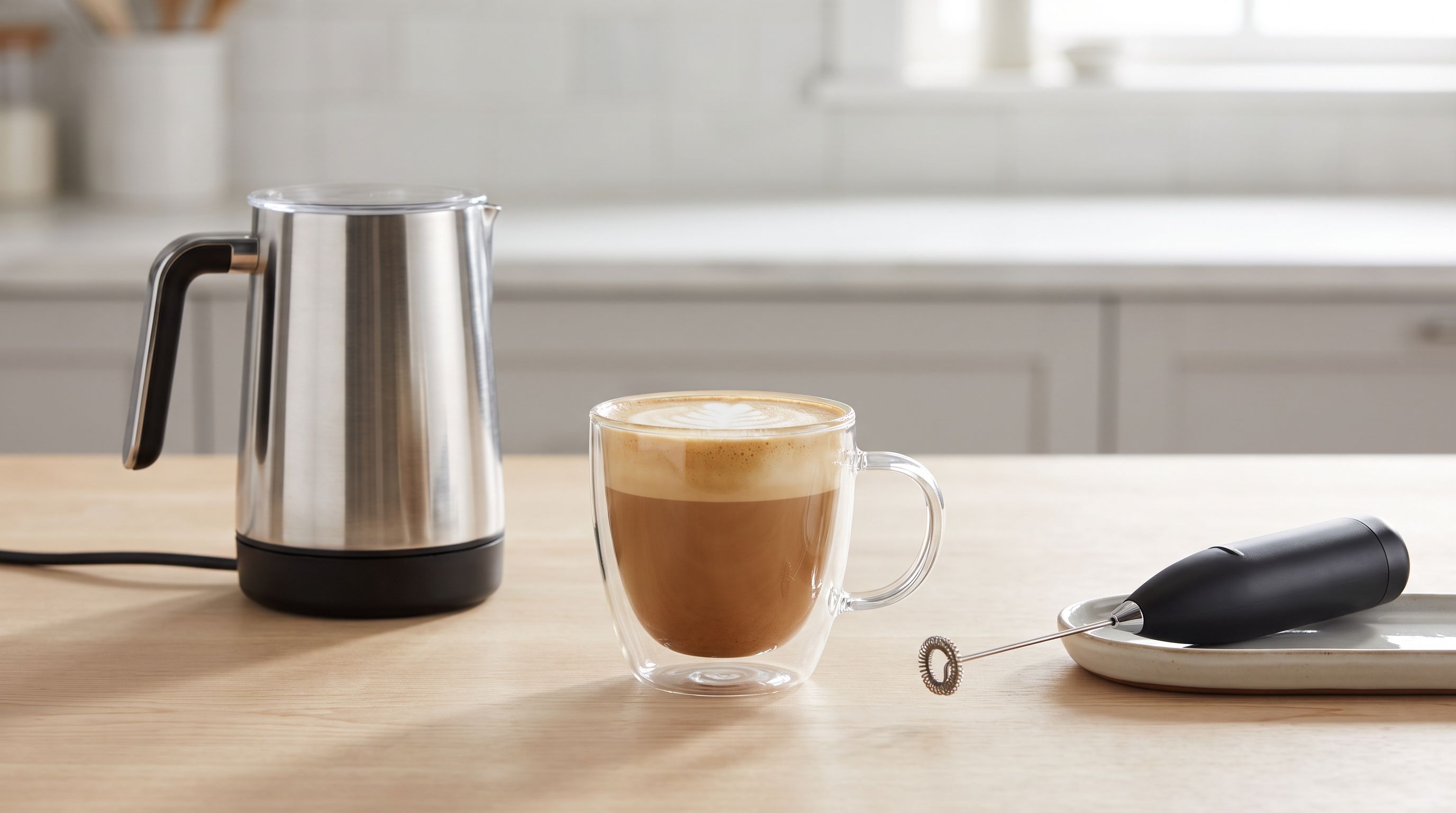
Milk Frothers in 2026: Steam Wand or Automatic Pitcher?
The best milk frother in 2026 depends on whether you want hands-off foam or steam-wand control. We compare capacity, froth texture and dishwasher-safe parts.
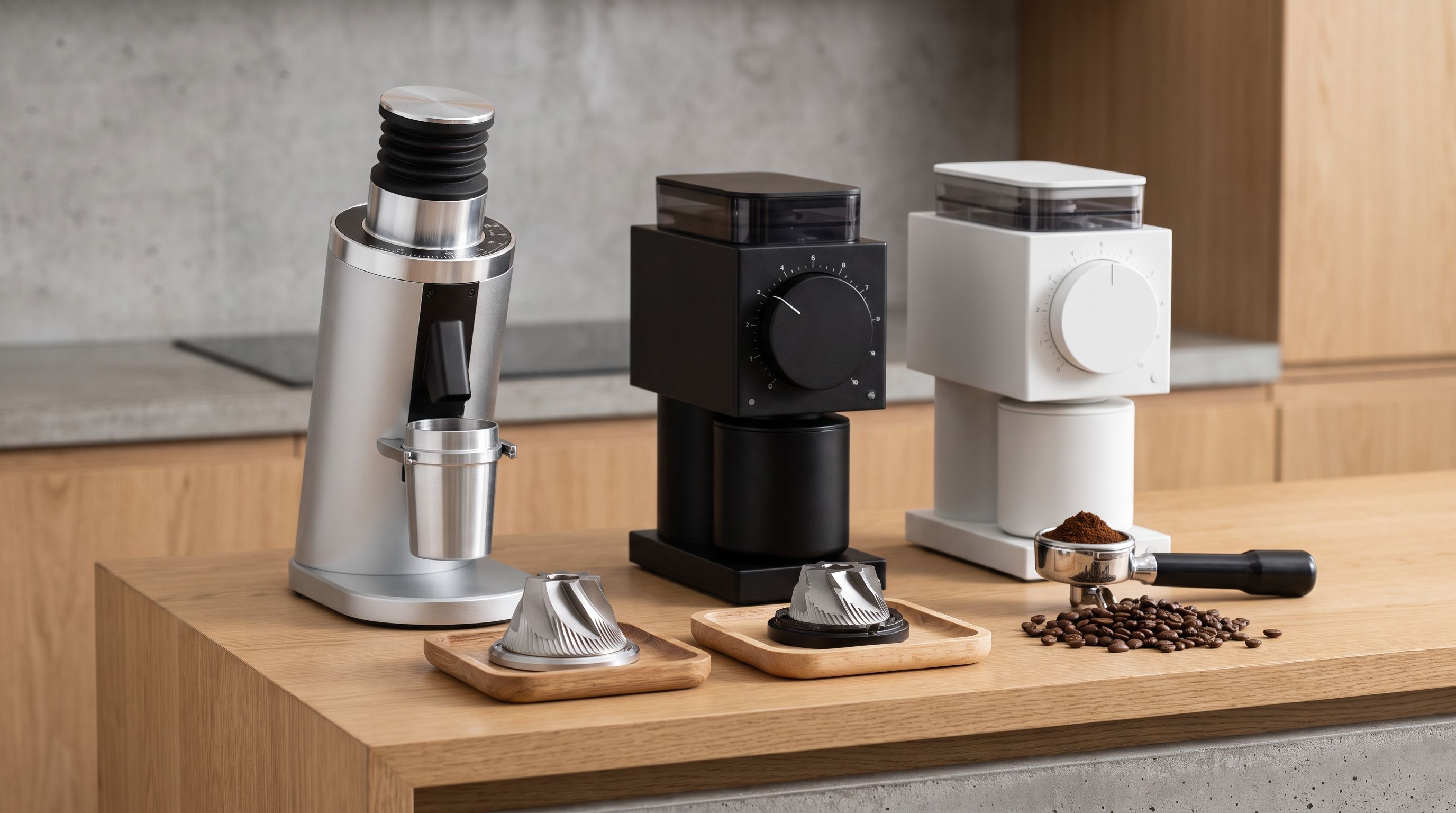
Burr Grinders Under $300 in 2026: Burr Size Decides
The best burr coffee grinder under 300 in 2026, ranked by burr diameter and geometry — plus when conical beats flat for drip, espresso, and everything between.
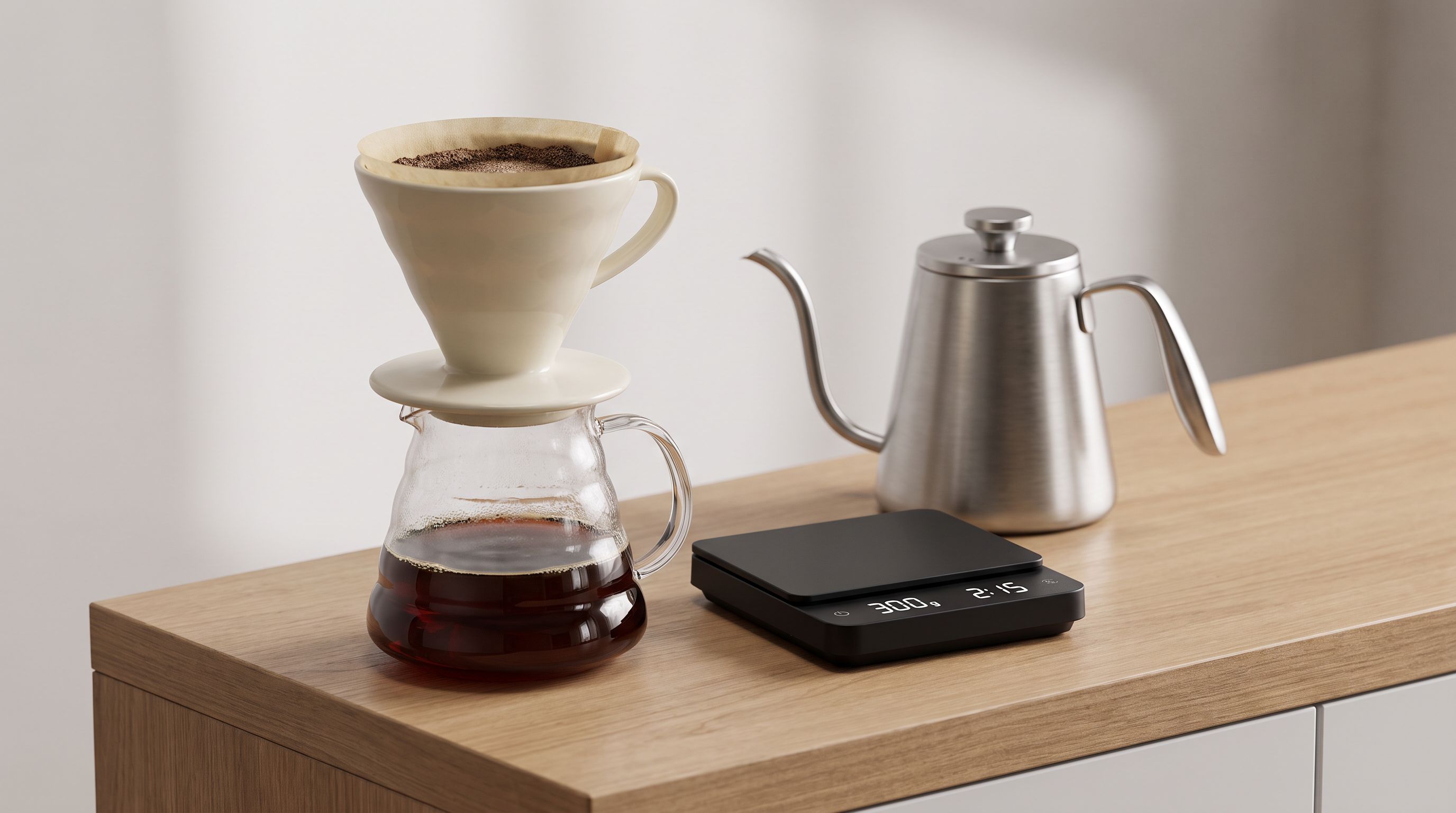
Pour-Over Coffee Setups in 2026: 5 Kits That Actually Work
The best pour over coffee setup in 2026 depends on dripper material, filter cost and carafe size. We compare five complete kits, kettles and scales included.