Single Dose Coffee Grinder 2026: Ranked by Retention
We compared single dose coffee grinders for 2026 on grounds retention, burr size and bellows design — picks from $250 to $900 for home espresso.
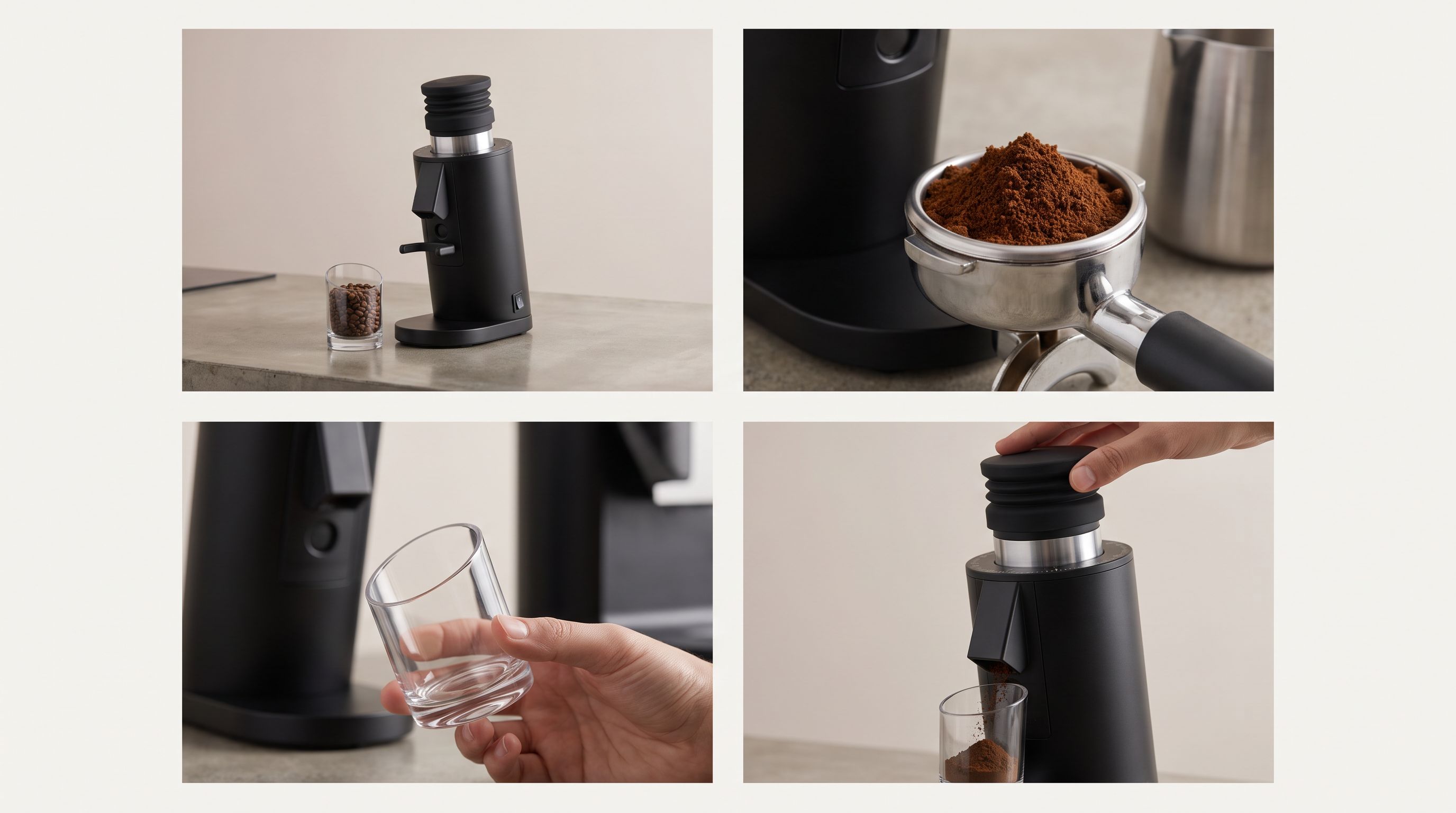
Reader-supported: we may earn a commission from links on this page, at no extra cost to you. It never affects our picks. Learn more.
Single dosing is simple in theory: weigh exactly the beans you want, grind them, get all of them back. The gap between theory and reality is retention — the coffee that stays stuck inside the burr chamber and grind path, stale, waiting to contaminate your next shot.
That's why retention is the right lens for ranking these machines. A grinder that holds back 1.5g per dose isn't just wasteful; it means the first few grams hitting your portafilter are yesterday's beans, and it makes dialing in frustrating because your output weight never matches your input weight.
We compared the current crop of single dose grinders in the roughly $250–$900 range using manufacturer specs, independent reviews and verified owner feedback, with retention, burr diameter and bellows design as the primary filters.
How retention actually works
Manufacturers love the phrase "zero retention." Almost none of them mean it literally. In practice you're choosing between three design approaches:
Chamber geometry. The Eureka Mignon Zero is the clearest example: Eureka redesigned the grind chamber and exit path specifically so grounds have nowhere to pool. No bellows required, which is itself a tell — the design does the work instead of asking you to puff air through it.
 Best overall · Eureka Mignon Zero — Check price on Amazon →
Bellows + declumper. This is the DF-style approach used by the Turin DF54, the MiiCoffee DF64 Gen 2 and most of their relatives. A silicone bellows on the lid lets you push a blast of air through the burrs after each dose, flushing retained grounds down the chute. It works well — typically a few tenths of a gram remaining — but it's a user action, not a passive feature. Forget the puffs and retention climbs.
 Best upgrade path · MiiCoffee DF64 Gen 2 — Check price on Amazon →
Short, steep, vertical paths. Conical designs like the Niche-style layout and the better 64mm flats route grounds almost straight down. Less horizontal travel means fewer places for fines to settle.
One honest caveat: the number you see quoted is usually best-case, measured with a dry medium roast at filter grind. Oily dark roasts at fine espresso settings retain more in every grinder on earth. Treat published figures as relative rankings, not promises.
Burr size: what you actually get
Bigger burrs aren't automatically better, but diameter does change the character of the grind.
- 40mm conical (Baratza Encore ESP): plenty for filter and forgiving espresso, but a wider particle spread and slower throughput.
- 50mm flat (Eureka Mignon Zero): a sweet spot for espresso clarity in a small body. Fast enough for daily use.
- 54mm flat (Turin DF54): noticeably more espresso-capable than entry conicals, in a footprint barely larger than a bag of beans.
- 64mm flat (MiiCoffee DF64 Gen 2, Timemore Sculptor 064S): the enthusiast standard. More even particle distribution, faster grinding, and — crucially — a burr size with a huge aftermarket (SSP, for one) if you later want to chase a specific flavor profile.
 Budget pick · Baratza Encore ESP — Check price on Amazon →
Above 64mm you're into commercial territory, where price, noise and counter space all climb faster than cup quality does for a one- or two-shot-a-day household.
The comparison
| Grinder | Burrs | Retention approach | Best for | Rough tier |
|---|---|---|---|---|
| Eureka Mignon Zero | 50mm flat, steel | Redesigned chamber, no bellows needed | Espresso-first users who want lowest fuss | Mid |
| Turin DF54 | 54mm flat | Bellows lid + short chute | Small kitchens, first real single-doser | Entry/mid |
| MiiCoffee DF64 Gen 2 | 64mm flat | Bellows + declumping chute | Tinkerers who'll swap burrs later | Mid/upper |
| Timemore Sculptor 064S | 64mm flat | Refined grind path, bellows | Espresso consistency, build quality | Upper |
| Baratza Encore ESP | 40mm conical | None (manual purge) | Beginners, espresso + filter on a budget | Entry |
The picks
Eureka Mignon Zero — best overall
If you only care about one metric, this is the grinder built around it. The Mignon Zero's entire selling point is that it gives back essentially what you put in, without you pumping a bellows between doses. The 50mm flat burrs are well-matched to espresso, the stepless worm-gear adjustment makes micro-changes easy to repeat, and the Italian build quality is the kind that survives a decade on a counter.
Trade-offs: it's not a burr-swapping platform, the hopper is small by design (that's the point), and the stepless dial means you need to pay attention to where you were. For someone who pulls one or two espressos a day and wants to stop thinking about hardware, it's the easiest recommendation here.
Turin DF54 — best compact value
The DF54 is the grinder that made 54mm flats affordable. It has a bellows lid, a short grind path and a genuinely small footprint, which matters if your espresso setup already competes with a toaster and a kettle for space. Owner feedback consistently reports retention in the fractions of a gram with a couple of bellows puffs.
Where it gives ground to pricier options: build is more plastic-forward, the motor works harder on fine espresso settings, and grind quality for darker roasts can be a bit clumpy without a quick stir (a WDT tool is effectively mandatory — as it is on most flat burr grinders).
MiiCoffee DF64 Gen 2 — best upgrade path
Buy this one if you suspect you'll be the kind of person who reads burr geometry threads at midnight. The 64mm flat burr standard means you can drop in aftermarket burr sets later and meaningfully change the cup — more clarity and acidity with unimodal burrs, more body with stock. The Gen 2 improves the chute and declumping over earlier versions, and the bellows keeps retention low in normal use.
It's bigger and louder than the DF54, and quality control across the DF64 family has historically been variable, so buy from a seller with a clear returns policy.
Timemore Sculptor 064S — premium pick
The 064S is what you buy when you want 64mm flats without the DIY energy. Timemore's build is dense, metal and quiet by comparison, the adjustment is precise, and the grind path is tuned to deliver clean, fluffy espresso grounds with minimal clumping. Reviewers consistently rate it among the best-executed single-dosers under the four-figure mark.
You pay for that polish, and like the Mignon Zero it's less of a modding platform than the DF64. If your priority is "excellent out of the box, forever," that's a feature.
Baratza Encore ESP — budget pick
The Encore ESP isn't a purpose-built single doser, and it does retain more than everything above it — expect to purge or tap. But it's the cheapest grinder here that genuinely handles espresso, its 40mm conical burrs are well understood, and Baratza's parts-and-repair support is the best in the business. Pair it with a dosing cup, weigh in and weigh out, and accept a small loss per dose.
If you're buying your first espresso machine and the grinder budget is already stretched, this is the sensible floor. Just know the upgrade itch arrives eventually.
Who should spend what
- Under ~$300: Baratza Encore ESP or Turin DF54. The DF54 is the better espresso grinder; the Encore ESP is the better all-rounder with better service support.
- ~$400–$600: Eureka Mignon Zero for lowest-hassle retention, MiiCoffee DF64 Gen 2 for future burr swaps.
- ~$700–$900: Timemore Sculptor 064S, or a DF64 with upgraded burrs if you'd rather spend the difference on the grind itself.
What doesn't justify the money: oversized hoppers you'll never fill, app connectivity, and "zero retention" claims unsupported by an actual chamber redesign or a bellows. Look at the grind path, not the marketing copy.
FAQ
How much retention is acceptable? Under 0.5g per dose is good for a home grinder; under 0.2g is excellent. Above about 1g you'll notice stale carryover and inconsistent output weights.
Do I really need a bellows? Only if the grinder's design requires one. The Turin DF54 and MiiCoffee DF64 Gen 2 benefit significantly from a couple of puffs per dose. The Eureka Mignon Zero is engineered to not need it.
Flat or conical burrs for espresso? Flat burrs generally produce a more uniform particle size, which tends to read as clarity and defined acidity. Conicals are more forgiving and often cheaper. Neither is objectively better — they're different flavor profiles.
Will a single dose grinder work for filter coffee too? Yes. All five picks cover filter ranges, though 64mm flats and the Encore ESP's conicals are more comfortable at coarser settings than small espresso-focused flats.
Is a WDT tool necessary? With flat burr grinders, effectively yes. Fluffy grounds clump on exit; a quick stir in the basket eliminates channeling and is the single cheapest upgrade to your shots.
Does bean oil change retention? Noticeably. Oily dark roasts stick to burrs and chutes in every grinder. If you drink dark roasts daily, expect higher real-world retention than published figures and clean the burr chamber more often.
Our picks
Eureka Mignon Zero Single Dose Espresso Grinder, White
Near-zero retention by design, 50mm flat burrs, and a stepless worm adjustment that's easy to dial.
Turin DF54
54mm flat burrs, bellows lid and a tiny footprint — the cheapest honest single-doser worth owning.
MiiCoffee DF64 II Single Dosing Coffee Grinder (Black)
64mm flats you can swap for SSP burrs, declumping chute and bellows for genuinely low retention.
Timemore Sculptor 064S
64mm flats, metal build and a refined grind path aimed squarely at espresso consistency.
Baratza Encore ESP Coffee Grinder ZCG495BLK, Black
40mm conical burrs and espresso-capable steps; pair with a dosing cup for workable single dosing.
Get the best kitchen gear deals in your inbox
Join the PrepDeck newsletter for hand-picked kitchen gear deals and new buying guides. No spam, unsubscribe anytime.
Related reads
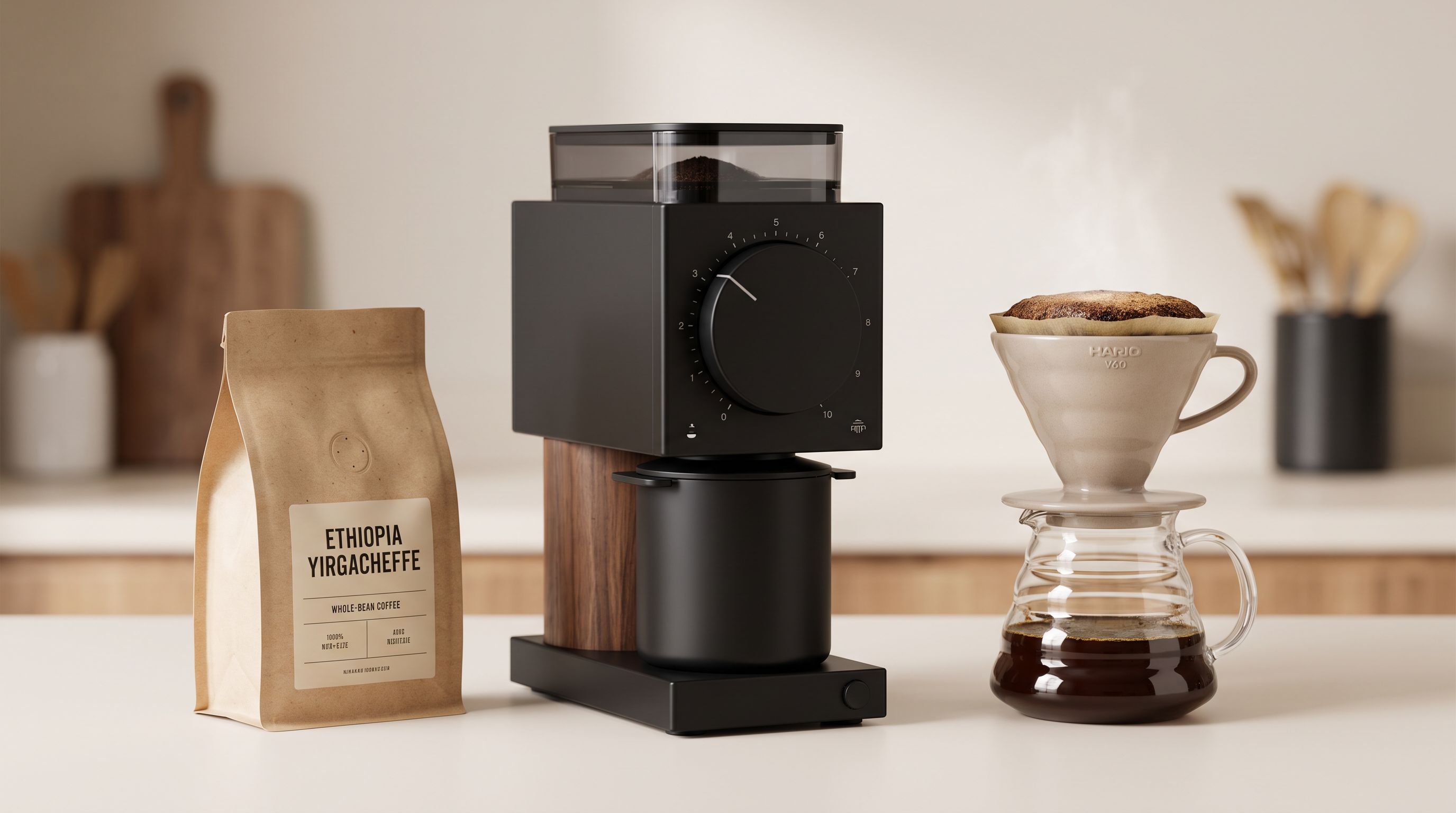
Skip the Coffee Subscription: Buy a Grinder in 2026
A coffee subscription won't fix stale, uneven grounds. Here are the burr grinders worth buying in 2026, from a $100 workhorse to single-dose espresso machines.
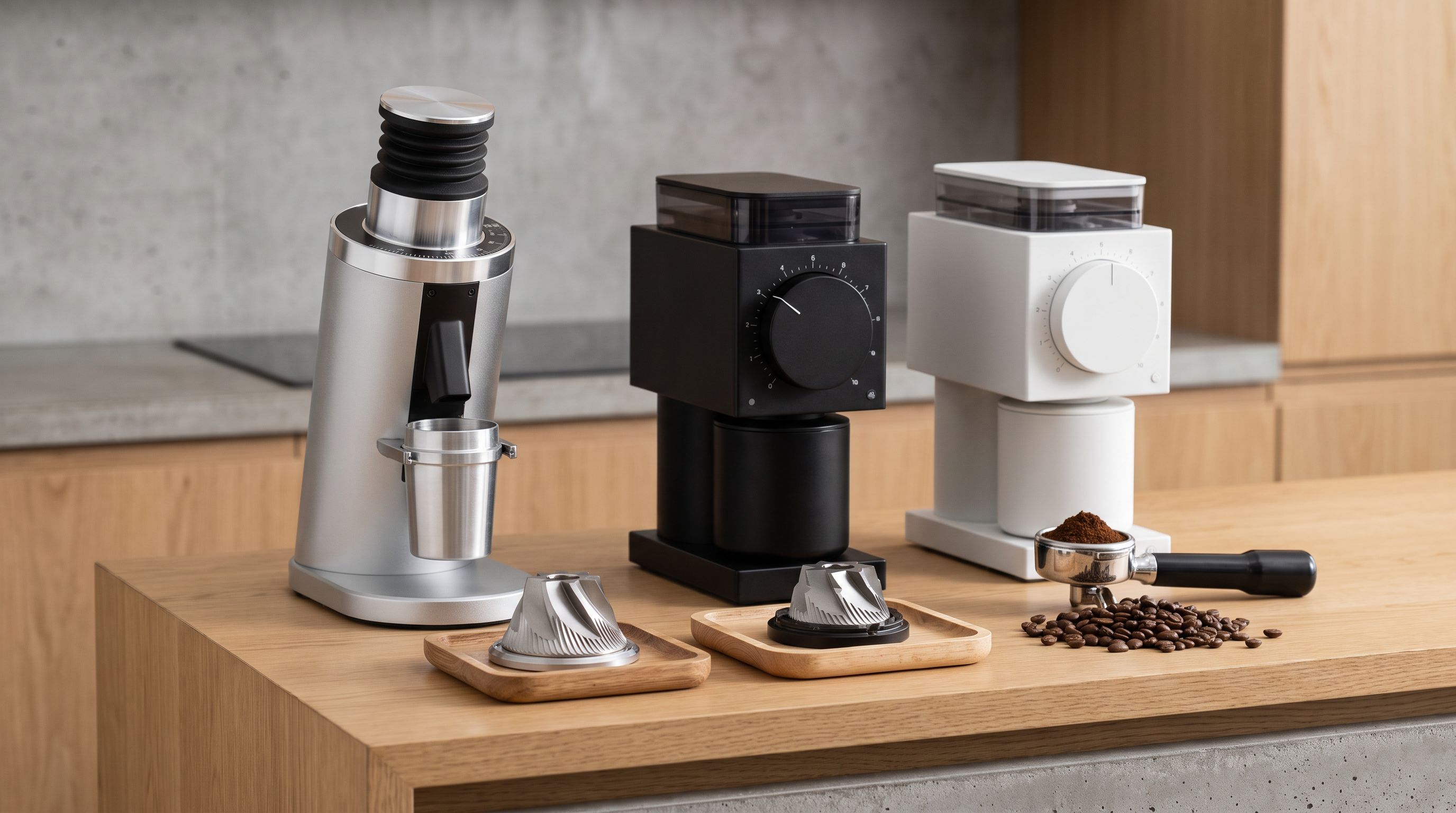
Burr Grinders Under $300 in 2026: Burr Size Decides
The best burr coffee grinder under 300 in 2026, ranked by burr diameter and geometry — plus when conical beats flat for drip, espresso, and everything between.
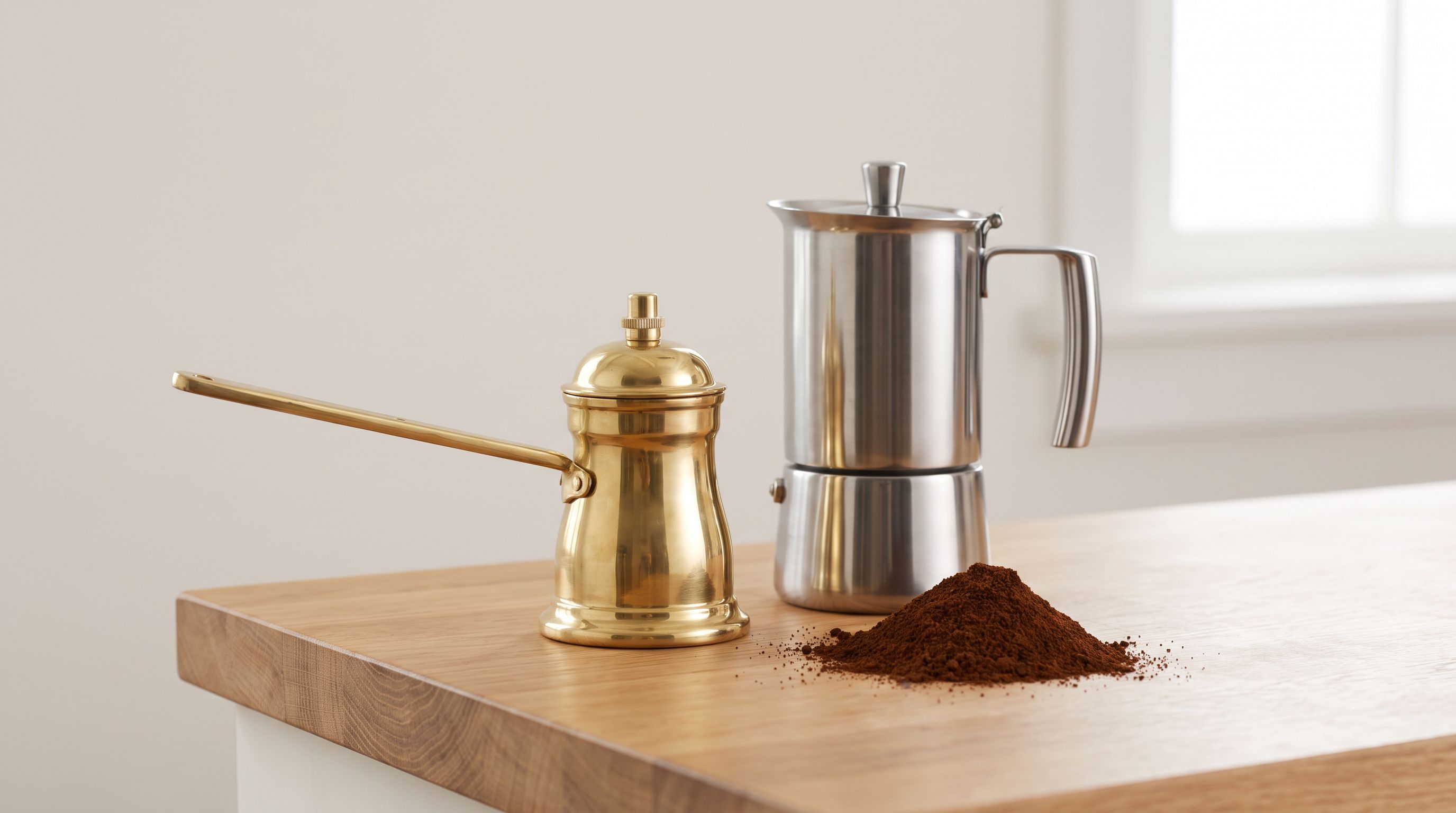
Turkish & Moka Grinders in 2026: Picks by Fineness Step
The best grinder for Turkish coffee 2026 isn't about brand — it's about burr type and step size. Our picks for powder-fine Turkish, moka and espresso grinds.