Glass vs Plastic: The Best Food Storage Containers for 2026
Glass or plastic? We compared the best food storage containers of 2026 on oven and freezer limits, lid seal design, stack height, and fridge footprint.
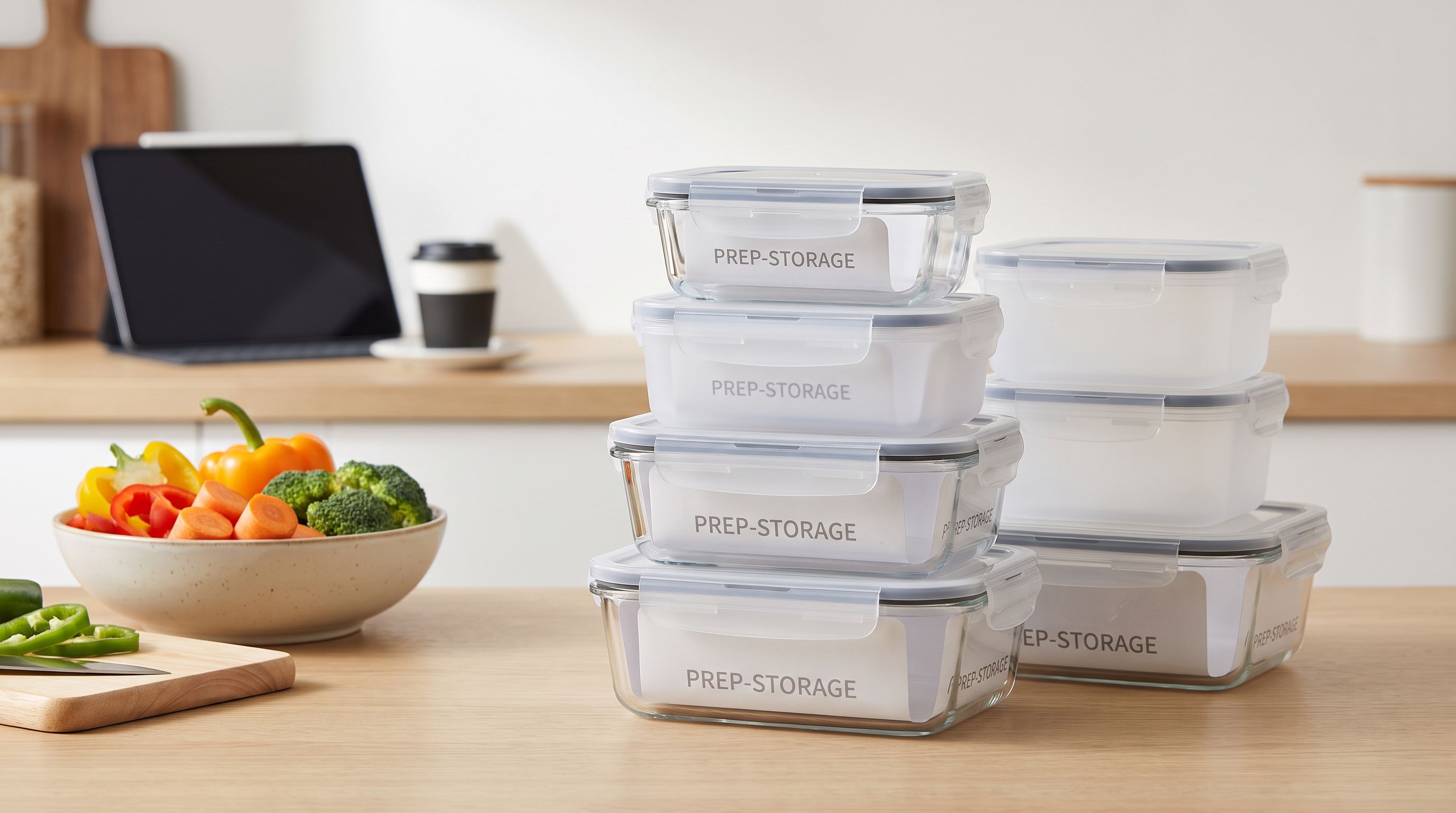
Reader-supported: we may earn a commission from links on this page, at no extra cost to you. It never affects our picks. Learn more.
Food storage is the rare kitchen purchase where the "best" answer flips entirely based on habits you probably haven't thought about: whether you reheat in a microwave or an oven, whether your fridge shelves are deep or shallow, and whether a container spends its life on a shelf or in a backpack. Glass and plastic both do the job. They fail in completely different ways.
Here's how to choose, and which 2026 sets are worth the cabinet space.
The short version
- Reheat in the microwave, store in the fridge, mostly at home? Glass. It won't stain, won't warp, won't hold curry smell, and goes from fridge to microwave to dishwasher indefinitely.
- Carry lunch, pack kids' snacks, or stack deep in a small freezer? Plastic. Lighter, won't shatter on a tile floor, and takes up less shelf height for the same volume.
- Bake and reheat in a real oven? Glass bases only — and only ones the manufacturer explicitly rates as oven-safe, lid removed.
- Cabinet overflowing? Nesting design matters more than material. A 10-piece set that collapses into one footprint beats a 20-piece set that doesn't.
Most well-stocked kitchens end up with both. Buy one good glass set for the fridge and one good plastic set for transport, and you'll stop re-buying containers every eighteen months.
Glass vs plastic: what actually differs
| Tempered glass | Tritan / polypropylene plastic | |
|---|---|---|
| Oven safe | Yes, base only, when rated (typically to around 425°F — check your set) | No |
| Microwave | Yes, lid off or vented | Yes, generally; vent the lid |
| Freezer | Yes, but leave headspace for expansion | Yes, best-in-class for deep stacking |
| Dishwasher | Yes, top and bottom racks | Yes, top rack recommended |
| Stains & odors | Essentially immune | Tritan resists well; cheap PP stains from tomato and turmeric |
| Weight | Heavy — a full set is a real load | Light enough for a lunch bag |
| Drop survival | Can chip or shatter | Bounces |
| Stack footprint | Thicker walls, taller per cup of volume | Thinner walls, more food per inch of shelf |
| Lifespan | Decade-plus if not dropped | Lids fatigue before bases do |
Two specifics worth internalizing. First, glass hates thermal shock: don't move a container from freezer straight to a hot oven, and don't set a hot dish on a cold wet counter. Most broken glass containers break from temperature swing, not clumsiness. Second, plastic lids are the consumable part. Gaskets compress, latches crack, and clear Tritan hazes after hundreds of dishwasher cycles. Buy a brand that still sells replacement lids in your size three years from now — Rubbermaid and Pyrex both qualify.
The lid is the product
Base material gets the headlines; the lid determines whether you actually like the set.
Four-latch snap lids with a silicone gasket are the leakproof standard. Rubbermaid Brilliance and Pyrex Freshlock both use this design, and it's the reason they consistently top independent leak tests — including Wirecutter's long-running program, which has worked through dozens of sets since 2015. The tradeoff is fiddliness: four latches to close, four to open, and gaskets that need occasional removal and cleaning to avoid smell.
Press-on flexible lids (older Pyrex plastic covers, many budget sets) are faster but only splash-resistant. Fine for leftovers on a flat shelf; not fine for soup in a tote bag.
Vented lids matter more than people expect. Brilliance lids have a latching vent you can pop open for microwaving, which means you reheat without removing the lid and without a splatter dome. Once you've used one you notice the absence.
Interlocking storage lids are a quality-of-life feature, not a sealing feature. Joseph Joseph's Nest Lock lids clip to each other so the cabinet avalanche stops. If your containers currently live in a chaotic drawer, that feature is worth more than another 2-cup round.
The picks
Best overall: Rubbermaid Brilliance Glass Food Storage Containers, 9-Piece Set
This is the set we'd recommend to most people with the counter and cabinet space for glass. Tempered glass bases are oven-, microwave-, freezer-, and dishwasher-safe; the four-latch lids with built-in vents sealed reliably across the reviews and owner feedback we evaluated, including tipped-and-shaken leak checks. Rectangular shapes use fridge shelf space far better than rounds, and the lids are clear enough to see what's underneath in a stack. The set is heavy — expect a real heft when you load three full containers into a bag — and the glass will chip if you clank it against a sink.
Best glass for oven-to-fridge: Pyrex Freshlock 10-Piece Glass Food Storage Set
If you cook and store in the same vessel, Freshlock is the pick. The bases are standard Pyrex tempered glass rated for oven use with the lid removed, so you can roast a small batch of vegetables, cool it, snap the lid on, and refrigerate without dirtying a second dish. The silicone-gasket snap lids seal tightly but open more easily than some competitors. Pyrex's broad catalog is a practical advantage too: replacement lids and odd sizes stay available for years.
Best plastic: Rubbermaid Brilliance Tritan Plastic Food Storage Containers, 16-Piece Set
Tritan is the reason this set stays clear instead of yellowing into something you hide at the back of the shelf. It resists tomato and curry staining better than ordinary polypropylene, the four-latch lids are the same leakproof design as the glass line, and the vented lids microwave cleanly. At roughly a third the weight of equivalent glass, it's the obvious choice for commuting lunches and for freezer stacks where height is scarce. Keep it out of the oven, and skip the hottest sanitizing dishwasher cycles if you want the latches to live longer.
Best for small kitchens: Joseph Joseph Nest Lock 10-Piece Plastic Storage Container Set
Buy this one if storage of the storage is your actual problem. The bodies nest down to a single stack and the lids clip together in a tidy block, which turns a cabinet-wide mess into one tidy footprint. The four-flap lock lids seal well for everyday leftovers and lunches. Capacities skew toward small and medium, so it's a complement to a big-batch set rather than a replacement for one.
Best value glass: Snapware Total Solution Pyrex Glass Food Storage Set
 Best value glass · Snapware Total Solution Pyrex Glass Food Storage Set — Check price on Amazon →
Snapware Total Solution pairs Pyrex glass bases with latching plastic lids and shows up in large multi-piece sets, which is how you outfit a whole kitchen in one go. Shape variety is the draw — tall rounds for soup, low rectangles for sheet-pan leftovers. The lids aren't quite as refined as Brilliance or Freshlock, but they latch securely and the glass is the same proven stuff.
Matching the set to your fridge
Measure before you buy. A deep, narrow fridge rewards tall rectangles; a shelf-heavy French-door model rewards low, wide ones you can slide out like drawers. If you batch-cook grains and braises on Sunday, you want at least two containers in the 6–8 cup range plus four mid-size — a set of fifteen tiny rounds will not help you. If you mostly save single portions, the opposite is true, and a nesting set wins.
For freezers, flat and square beats round every time: round containers waste roughly a fifth of the shelf area to dead space. Fill liquids to about 80 percent to leave room for expansion, and freeze glass uncovered until solid before snapping the lid down.
FAQ
Can I put glass food storage containers in the oven? The glass base, yes, if the manufacturer rates it for oven use — Pyrex and Rubbermaid Brilliance glass both are. Lids never go in the oven. Avoid putting a frozen container into a preheated oven; let it come up to fridge temperature first to limit thermal shock.
Is Tritan plastic safe? Tritan is a BPA-free copolyester widely used in food containers and water bottles. As with any plastic, avoid long microwave sessions with fatty, high-heat foods and vent the lid.
Why do my containers smell like last week's dinner? Usually the silicone gasket, not the base. Pop the gasket out of the lid groove, wash it separately, and dry it fully. Plastic bases that hold odor permanently are a sign it's time for a new set.
Glass or plastic for a work lunch? Plastic, for weight and drop resistance — unless your office has a real oven or you're reheating something aggressively greasy, in which case glass is easier to clean.
How many containers do I actually need? For a two-person household cooking most nights, roughly eight to ten vessels across three sizes is plenty. Beyond that you're storing containers more than food.
Our picks

Rubbermaid Brilliance Glass Food Storage Containers, Assorted Sizes, Set of 9, BPA-Free, Leak-Proof, Clear
Borosilicate-style tempered glass with a genuinely leakproof four-latch lid that also vents for microwaving.

Pyrex Freshlock (10-Pack) Mixed Sizes Airtight Glass Food Storage Set
Oven-safe tempered glass bases with silicone-gasket snap lids that seal tightly without fighting you.

Rubbermaid Brilliance BPA-Free Food Storage Containers with Lids Airtight Kitchen and Pantry Organization Set Includes 3 Containers and Scoops Clear 16 cups
Crystal-clear Tritan that resists stains and odors, stacks tightly, and weighs a fraction of glass.

Joseph Joseph Nest Lock Airtight Leakproof Food Containers, 10-Piece Set
Nests down to almost nothing and the lids clip together, so the cabinet stops exploding.
Snapware Glass Total Solutions (5-Pack, 4 Cup) Food Storage Containers Set
Plastic-lidded Pyrex glass bases in a wide range of shapes, frequently sold in large multi-piece sets.
Get the best kitchen gear deals in your inbox
Join the PrepDeck newsletter for hand-picked kitchen gear deals and new buying guides. No spam, unsubscribe anytime.
Related reads
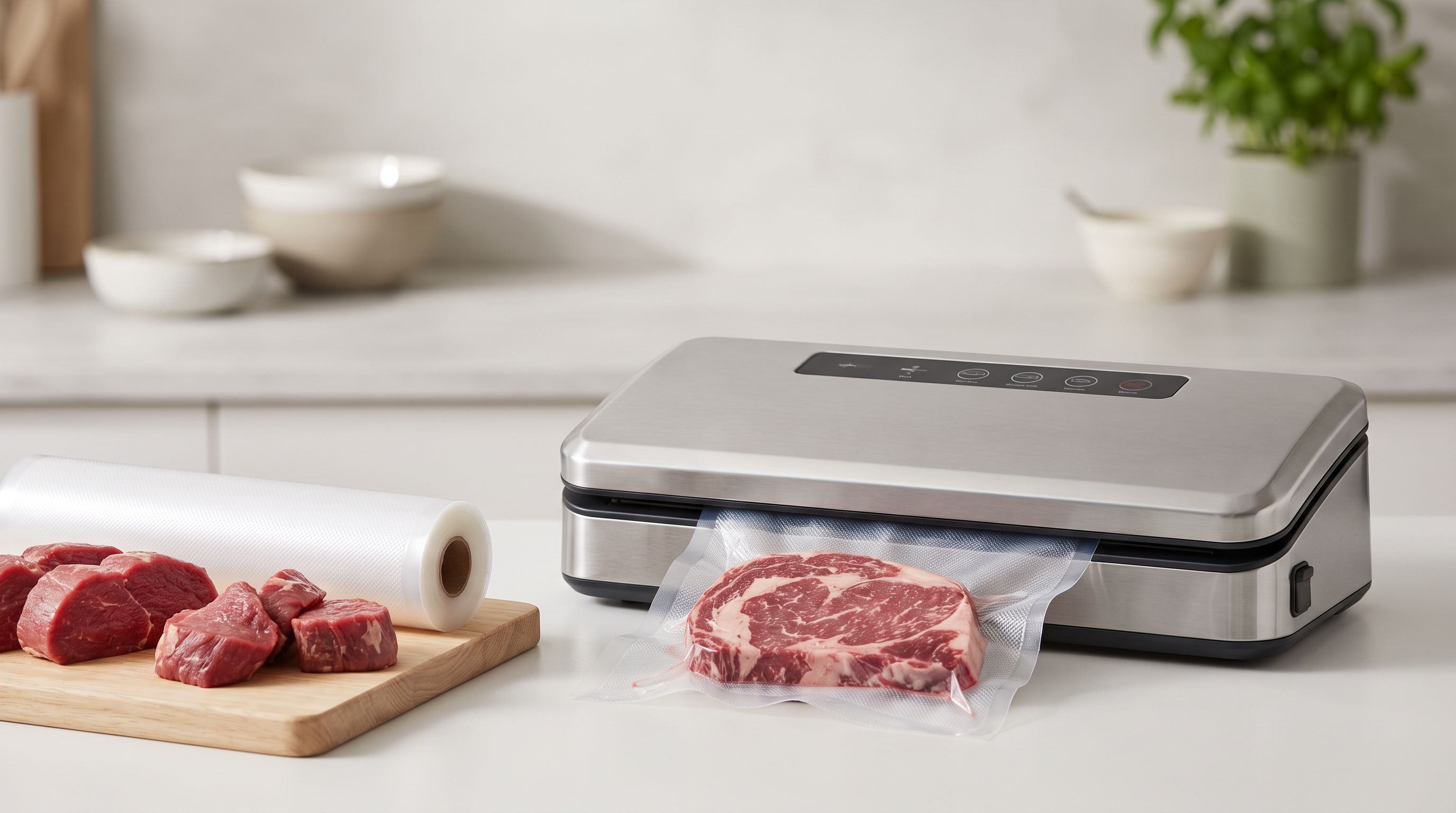
Vacuum Sealers in 2026: 5 Picks by Bag Width and Seal
The best vacuum sealer 2026 guide: chamber vs external machines compared on bag width, seal strength, moist-food modes and long-term bag cost for sous vide and freezer use.
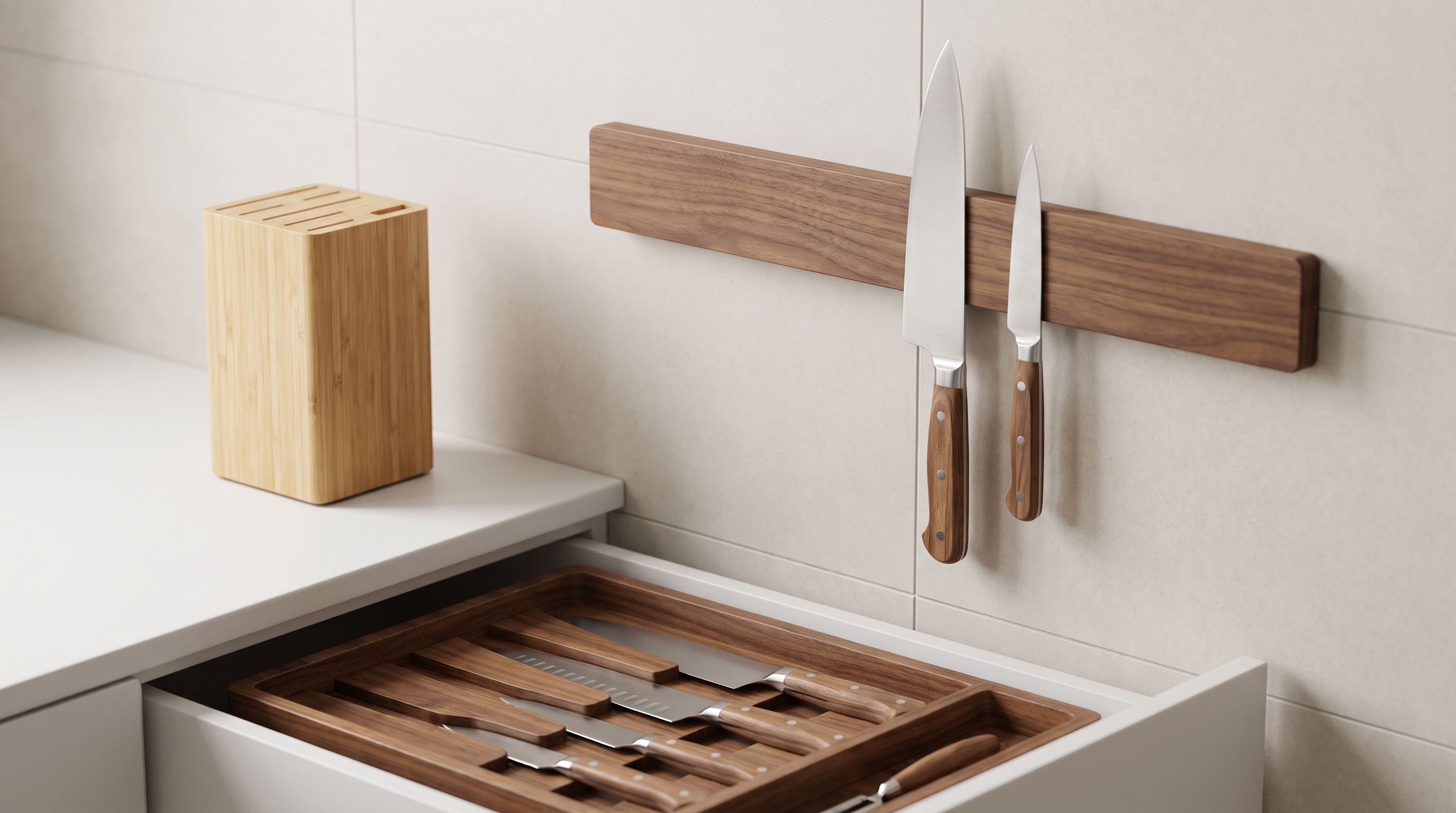
Knife Storage in 2026: Block, Magnetic Strip or Drawer?
Knife blocks vs magnetic strips vs in-drawer trays in 2026: how each format affects counter space, edge protection and knife capacity — plus four picks worth buying.
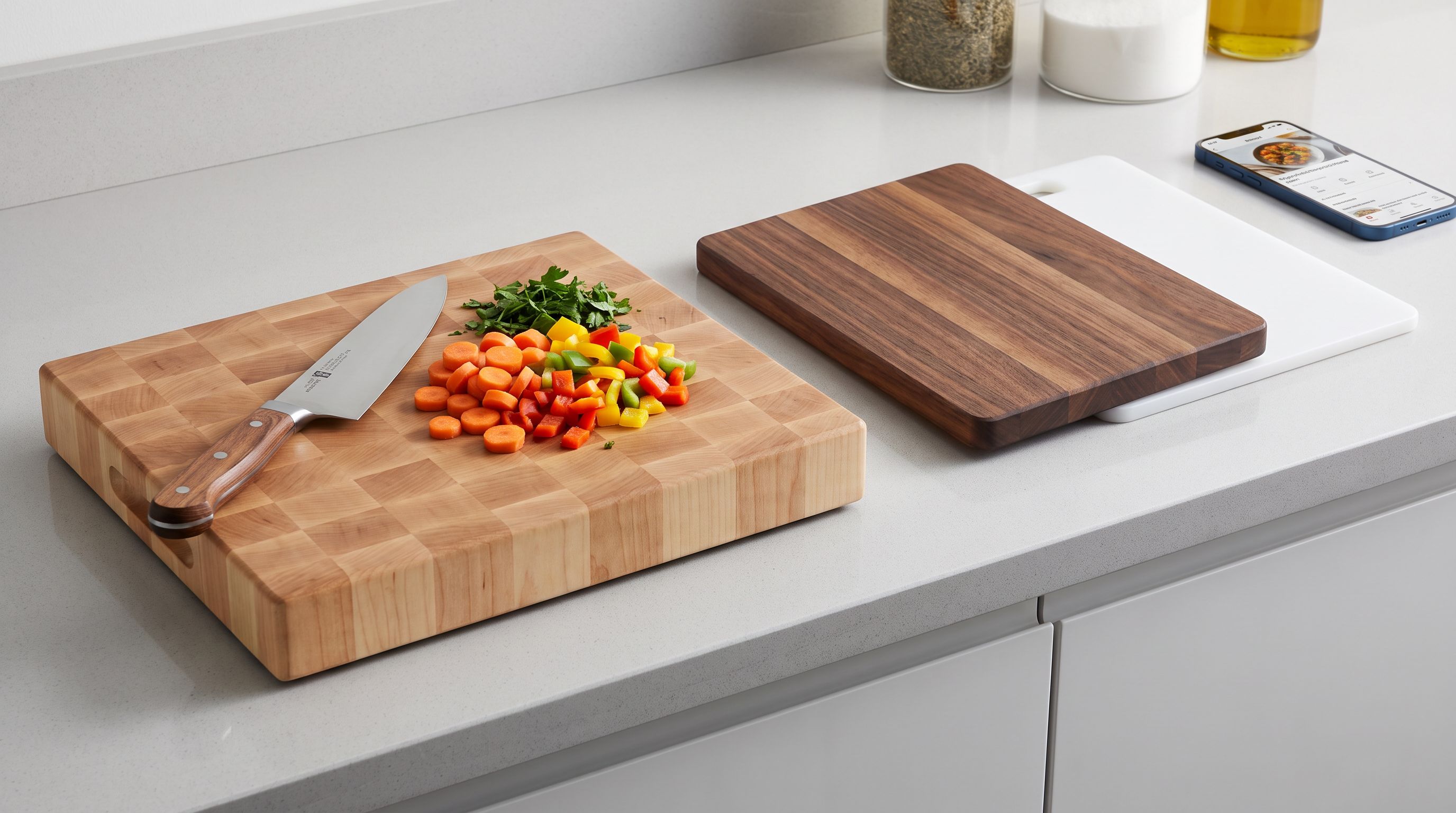
Cutting Boards in 2026: End Grain vs Edge Grain vs Plastic
End grain, edge grain or plastic? We compare wood species, thickness, knife-edge wear, warping and dishwasher reality to find the best cutting board for 2026.