Built-In Outdoor Side Burner Guide 2026: BTU vs Cutout
How to choose a built-in outdoor side burner in 2026: BTU ratings explained, cutout dimensions, LP vs natural gas conversion, and 304 vs 430 stainless steel.
Reader-supported: we may earn a commission from links on this page, at no extra cost to you. It never affects our picks. Learn more.
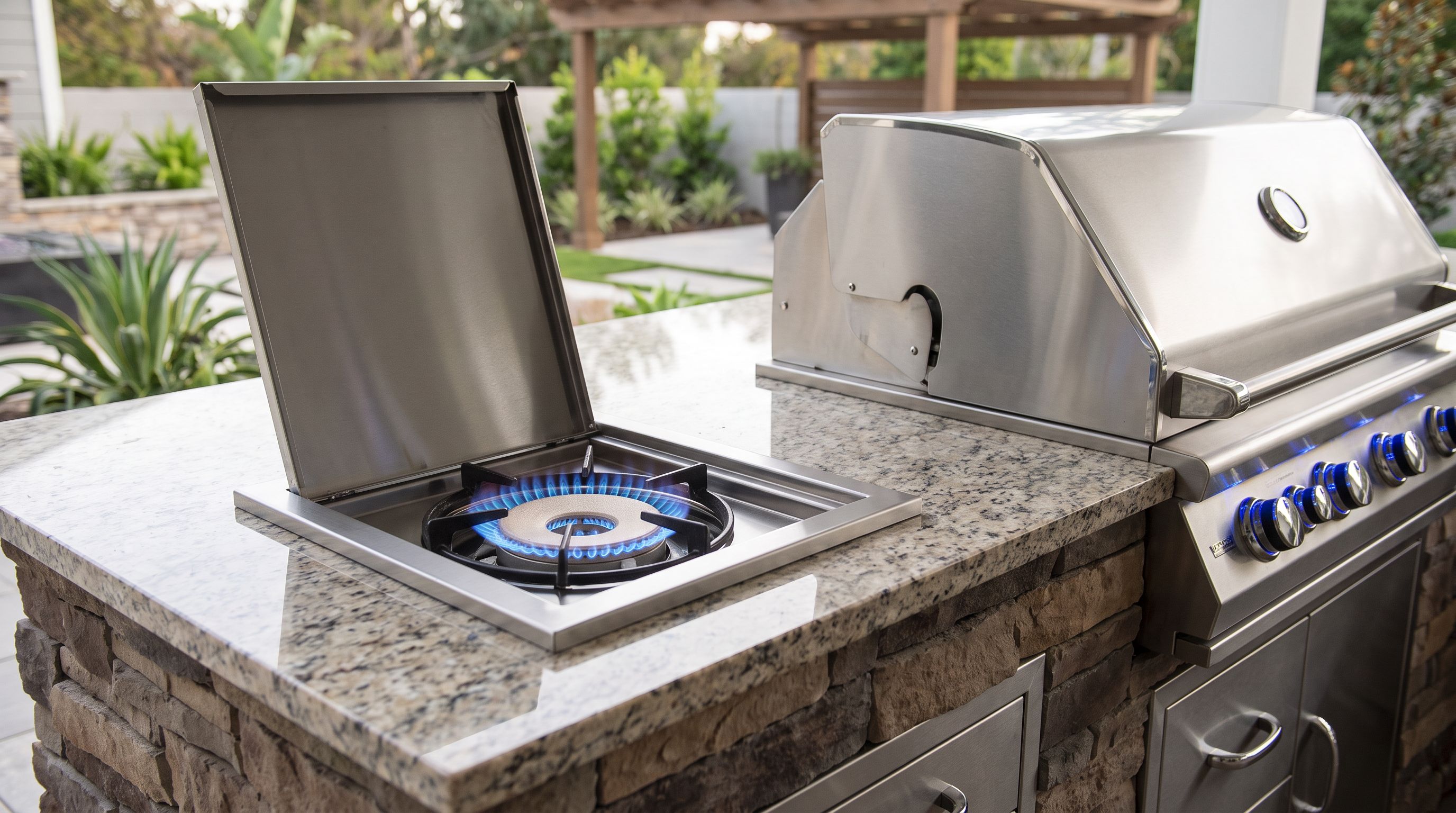
A side burner is the most over-specified appliance in most outdoor kitchens. People shop it like a grill — chasing BTU numbers — and then discover the real constraint was a 12-inch cutout, a 1/2-inch gas stub in the wrong place, or 430 stainless that blooms rust after one winter.
This guide works backward from the island you already have (or are about to pour). We researched manufacturer installation manuals, retailer spec sheets and owner feedback to pin down what actually matters: BTU output relative to the pan you'll use, cutout and clearance dimensions, LP vs natural gas conversion rules, and stainless grade.
What a side burner is actually for
Be honest about the job. A built-in outdoor side burner earns its cutout if you regularly:
- Boil shellfish, corn or pasta so the mess stays outside
- Simmer sauce, hold queso, or keep a pan of onions going while meat rests
- Run a wok or a fry pot away from indoor smoke and grease
It does not earn its space if you cook one steak a week. A grill with a built-in burner you use twice a season is a hole in your counter that collects water. In that case, skip the cutout and put the money into counter depth, storage drawers, or a dedicated flat-top like the Blackstone 1554 36-Inch Griddle Cooking Station — four independently controlled burners and a real 36-inch flat surface do more actual cooking than any single side burner.
BTU: how much is enough
BTU/hr is fuel consumption, not a quality score. What matters is BTU per square inch of pan and whether the burner can turn down.
- 10,000–15,000 BTU — the mainstream range. Handles a 10–12 inch pan, sauces, sides, a pot of corn. A 15,000 BTU brass burner, like the pair in the VEVOR Double Grilling Side Burner, is the sweet spot for 90% of backyards.
- 20,000–30,000 BTU — faster boils on large stockpots, better in wind. Useful if you run a 12-quart pot or a carbon-steel wok.
- 50,000–65,000 BTU (power/wok burners) — cast-iron jet burners for crawfish boils, turkey frying and true wok hei. Retailers list units such as the LUX 60,000 BTU built-in natural gas power burner in this class. They need a dedicated, properly sized gas line and real clearance; they are overkill for sauce.
The more important number nobody prints: simmer performance. A single-ring 15,000 BTU burner that won't drop below a roaring flame will scorch a béarnaise. Dual-ring or brass burners with a long valve travel are better here, which is why brass caps keep showing up on spec sheets.
Cutouts, clearances and the stuff that ruins installs
Measure these three things before you shop anything.
1. Cutout opening. Single side burners commonly need roughly a 12–14 inch wide by 17–20 inch deep opening; doubles run wider. Every manufacturer publishes exact cutout width, depth and depth below counter, and they are not interchangeable between brands. Pull the install manual PDF, not the marketing page.
2. Depth below the countertop. The burner body plus the gas valve and orifice hangs down. If a drawer or a frame rail sits in that zone, the burner physically won't drop in. Budget 8–10 inches of clear vertical space and check for cross-bracing.
3. Combustible clearance. Even "built-in" rated appliances specify minimum distance to side walls and to any combustible surface. For wood-framed islands this is non-negotiable, and most codes want the framing non-combustible or insulated jackets used throughout.
Two more hard-won lessons from owner feedback: always plan ventilation (an enclosed island with LP needs lower vents, since propane is heavier than air and pools), and spec an access door or valve panel so you can reach the shutoff without demolishing stone.
If your island isn't built yet, the cleanest path is to buy the grill head and burner from the same brand so the cutouts are documented together — the Napoleon 500 Series built-in grill with its integrated side burner is a good example, and it's why first-time-buyer roundups in 2026 keep ranking it well on cooking area per dollar.
 Best grill to build around · Napoleon 500 Series Built-In Gas Grill Head — Check price on Amazon →
LP vs natural gas: convert carefully
This is where people get hurt, so plainly:
- Propane runs at roughly 11 inches water column; natural gas at about 7 inches WC, and NG has less than half the energy per cubic foot. Same burner, different orifice size, different regulator.
- A burner is only convertible if the manufacturer sells a conversion kit and permits it. Many budget LP burners explicitly do not.
- Converting usually means swapping the orifice, changing the regulator, and adjusting the air shutter. A hose-and-regulator kit like the Flame King YSN-212 propane-to-natural-gas kit handles the supply side for appliances that allow low-pressure NG, but it does not substitute for a correct orifice.
- Natural gas needs a buried, sized, pressure-tested line. That's a licensed plumber job in most jurisdictions, and permits are common.
Rule of thumb: if the island is near the house and you cook outdoors often, pay once for natural gas and never carry a tank again. If the kitchen is detached or seasonal, stay on LP.
Stainless grade: 304 vs 430
- 304 (18/8) contains nickel, resists chlorides and salt air, and is what premium brands use for the hood, body and fasteners. It's the right call within a few miles of the coast or near a pool.
- 430 is cheaper, magnetic, and will surface-rust in humid or salty climates. Fine for an inland covered patio if you wipe it down.
Watch for "304 stainless" claims that only cover the lid while the frame and hardware are 430 — check fasteners and the burner box. The Blaze Professional LUX Built-In Single Side Burner is the benchmark here: heavy 304 construction, serious burner output, and warranty terms that assume outdoor abuse.
Comparison: matching burner type to your island
| Burner type | Typical output | Typical cutout width | Best for | Watch out for |
|---|---|---|---|---|
| Single drop-in | 10,000–15,000 BTU | ~12–14 in | Sauces, sides, small pots | Weak simmer on cheap valves |
| Double drop-in (VEVOR Double Grilling Side Burner) | 2 × 15,000 BTU | ~22–30 in | Two-pan cooking, boils + sauce | Needs wide cutout and good gas supply |
| Premium single (Blaze Professional LUX) | High-output single | ~12–14 in | Coastal/salt air, daily use | Price; confirm LP vs NG at order |
| Power/wok burner | 50,000–65,000 BTU | Large, brand-specific | Crawfish boils, wok, fryer | Dedicated line sizing, clearances |
| Integrated in grill head (Napoleon 500 Series) | Mid-range | Part of grill cutout | New builds, simplest install | Locked to that grill's footprint |
A quick buying sequence
- Measure the existing cutout, or decide the opening before stone is templated.
- Pick fuel. NG if plumbed, LP if not — don't assume conversion.
- Choose output: 15,000 BTU for general use, 50,000+ only if you boil or wok.
- Choose stainless grade by climate: 304 near salt, 430 acceptable inland and covered.
- Download the install manual and confirm cutout, depth below counter and clearances before ordering.
- Buy a fitted cover. Water sitting in a burner box kills more units than heat ever will.
FAQ
Is 15,000 BTU enough for a side burner? For sauces, sides and a 10–12 inch pan, yes. A large stockpot in wind is where you'll want 20,000+ BTU or a dedicated power burner.
Can I convert my propane side burner to natural gas? Only if the manufacturer offers a conversion kit for that model. It requires an orifice change plus the right regulator and pressure, and in most areas a licensed pro and a permit.
What size cutout does a built-in side burner need? Singles are commonly in the 12–14 inch wide range with 17–20 inches of depth, but exact dimensions are model-specific. Always use the manufacturer's install drawing.
Does stainless grade really matter outdoors? Yes, especially with salt air, pool chlorine or snow. 304 holds up far better than 430; mixed-grade builds usually rust at the fasteners first.
Can I put a side burner in a wood-framed island? Only with non-combustible framing or an approved insulated jacket, correct clearances and proper ventilation. Check local code — this is a safety requirement, not a preference.
Side burner or griddle? If you want fried rice, smash burgers and breakfast, a griddle like the Blackstone 1554 does more. A side burner wins for pots, boils and sauces.
Our picks

VEVOR Double Grilling Side Burners, 2 x 17,000BTU Liquid Propane Side Burner for Outdoor Kitchen, Convertible to Natural Gas, 304 Stainless Steel Built-in Double Burners with LED for BBQ Grill Island
Two 15,000 BTU brass burners, 8mm grates and a standard drop-in cutout for a fraction of premium pricing.

Blaze LTE+ Built-In Double Side Burner NG 24,000 BTU Stainless Steel Outdoor Kitchen Slide-In with LED Illuminated Knobs, Removable Cover
304 stainless construction, high-output burner and a lifetime-warranty build made for real outdoor kitchens.
Napoleon Built-In 500 Series 32-Inch Built-In Gas Barbecue Grill Head - BI32NSS - Marine Grade Stainless Steel, Natural Gas, 4 Main Burners, 7.5 mm Stainless Steel Grids, Dual Level Stainless Steel Sear Plates
A well-priced built-in head with an integrated side burner so your cutouts line up from day one.

BLACKSTONE 36 Inch 4 Burner 60,000 BTU Portable Steel Griddle Cooking Station with Foldable Legs, Grease Pan, and Storage Rack, Black
If you mostly want flat-top space, this four-burner griddle beats a side burner for far less money.
Flame King YSN-212 Propane to Natural Gas Conversion Regulator Hose Kit
Hose-and-regulator kit for plumbing LP appliances to a low-pressure natural gas line where the unit allows it.
Get the best kitchen gear deals in your inbox
Join the PrepDeck newsletter for hand-picked kitchen gear deals and new buying guides. No spam, unsubscribe anytime.
Related reads
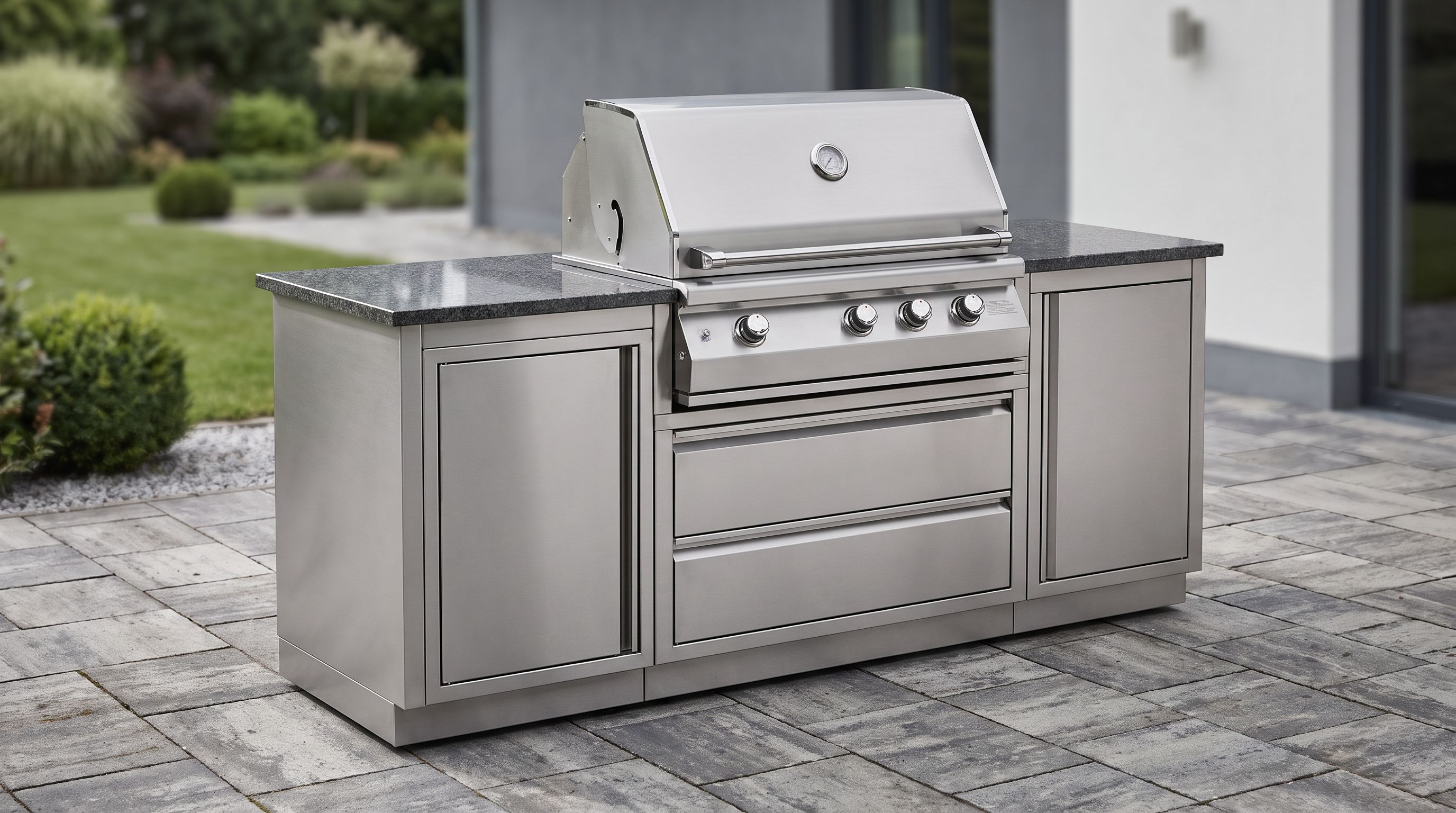
Outdoor Kitchen Island Kit 2026: Buy by Linear Footprint
How to choose an outdoor kitchen island kit in 2026 by linear footprint, grill cutout size, door and drawer fit, and weatherproof cabinet material.
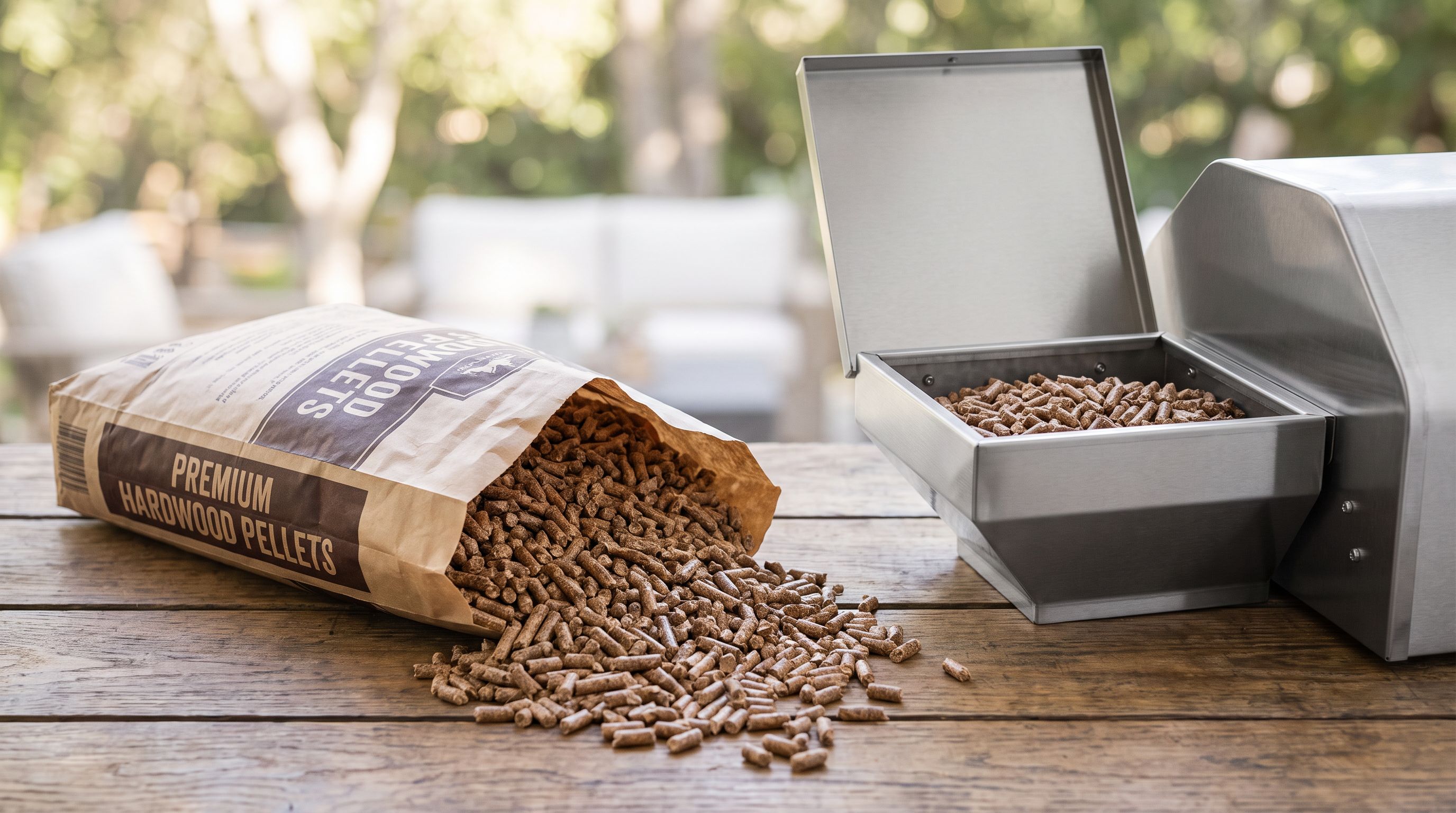
Pellet Grill Pellets in 2026: Match Wood to Your Auger
The best wood pellets for pellet grills in 2026, sorted by hardwood species, ash content and burn rate — so you match fuel to your auger, hopper and cook style.
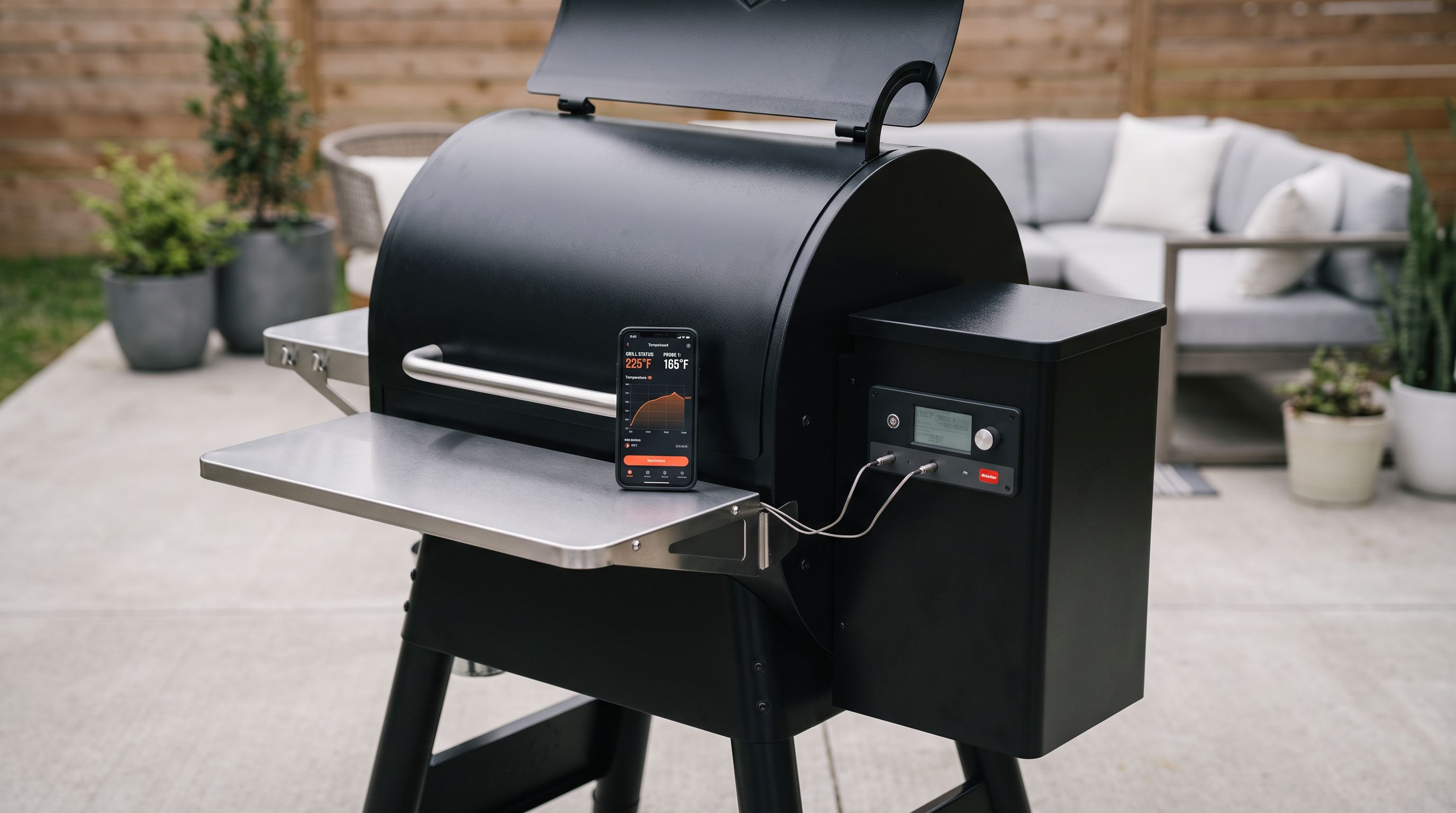
Smart Pellet Grill Wi-Fi in 2026: Which App Still Works?
A smart pellet grill Wi-Fi comparison for 2026: controller precision, probe ports, and which brands have actually kept firmware and apps alive for years.